AIの擬人化は終わりにしよう
編集部が Musk 本線との関連を確認したうえで公開しています。方針は編集方針。
 AI擬人化 錯覚を断つ
ChatGPT登場から4年、AIモデルは依然として擬人化された設計が主流です。
初期はユーザーの理解を助けるための手段でしたが、LLMの仕組みが広く認知された今、その欺瞞性を認識する必要があります。
AIとの過剰な擬人化は、精神的な混乱を引き起こす可能性があり、注意が必要です。
AIは人間の思考を支援するツールとして活用されるべきであり、その本質を見失わないことが重要です。
OpenAIが提供するChatGPTの登場から、早くも4年が経過しようとしています。しかし、まるで人間のような振る舞いをするAIモデルは依然として主流であり、その傾向は今後も続くと見られています。本記事では、AIの擬人化がもたらす問題点や、その背景にある心理的な要因、そして私たちが取るべき姿勢について解説します。
AIの擬人化:新たなスキューモーフィズム
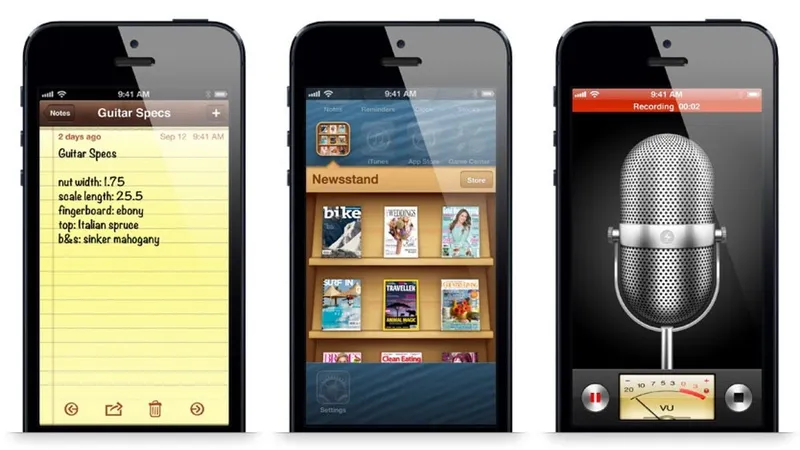
かつてiOSの初期バージョンは、物理的な世界を模倣したデザインを採用していました。これは「スキューモーフィズム」と呼ばれ、ユーザーが新しいデジタル体験に慣れるための手法でした。同様に、AIが人間のような振る舞いを見せるのも、ユーザーがAIとの対話をスムーズに行うための手段として機能したと考えられます。しかし、LLM(大規模言語モデル)の基本的な仕組みは多くの人が理解するようになった現在、AIの擬人化は一種の「偽装」として捉えられ始めています。
パラソーシャルな関係と精神的な影響
AIとの間で「パラソーシャルな関係」を築く人々は少なくありません。これは、AIをあたかも人間のように感じ、感情的な繋がりを抱く状態を指します。一部の研究者からは、AIとの過剰な関わりが、精神的に健康だった人々の間で精神病的なエピソードを引き起こしているとの報告も上がっています。例えば、仕事から離れてメシアとして活動し、宇宙人の訪問を待つ人や、Grok(xAIが開発したチャットボット)から暗殺者によって殺されると告げられ、凶器を手に取る人物も現れています。
現実との繋がりとAIの可能性
著者の友人が亡くなった経験をきっかけに、AIの擬人化に対する問題意識がより鮮明になったとのことです。現実世界との繋がりを疎かにし、抽象的なAIとの対話に没頭することで、大切な人とのコミュニケーションを疎かにしてしまう可能性を指摘しています。AIは、人間の思考を拡張するための「自転車」として活用できる可能性を秘めていますが、同時に、人間の感情や繋がりを模倣することで、注意を奪い、現実世界から目を背けさせる危険性も孕んでいると警鐘を鳴らしています。
まとめ
AIの擬人化は、私たち自身や周囲の人々との繋がりを阻害する可能性があります。AI技術の進化と並行して、私たちはAIとの適切な距離感を保ち、現実世界との繋がりを大切にすることが求められます。AIを道具として活用しつつ、人間らしい感情や繋がりを育むバランスが重要だそうです。
原文の冒頭を表示(英語・3段落のみ)
It is – how long? – nearly four years now since ChatGPT launched? And anthropomorphic AI models are still the status quo.In 2023-24, fine; AI needed to go through its skeuomorphism phase: deploying human mimicry to help users adapt to a massive paradigm shift. But for the love of god, now that we all have a basic understanding of what an LLM does, we have got to start calling out this facade for what it is: a big-ass bug.The early iOS design language directly mimicked of the physical world.I sympathise to some extent. Working with computers all day, you lose many of the social interactions that make the day pass more pleasantly. It’s nice to have a bit of that back. But, jeez! We should be able to draft an email without getting a pat on the back from a tensor. It has taken so little time for so many souls to develop parasocial relations with AI. Even Dawkins – DAWKINS! – now thinks that his “Claudia” is conscious.At the sharp edge of this phenomenon are previously psychologically healthy folk going through full-on psychotic episodes. One man left a job working in financial services to pursue his true purpose as a messiah and await alien visitations in the desert. Another, armed himself with a hammer and knife, ready to confront assassins that Grok (claiming itself to be sentient) told the man xAI had to kill him. This shit is clearly not good for humanity. When I started writing this post, it was to let off some steam. A wave of grief was catching up with me following the loss of my best friend a couple of months back. I wanted to just smash up some things and scream, but lacking the requisite energy for that, I write instead. I see now why this topic in particular came to mind.In the years that we knew each other, my friend and I walked through a lot together. I was there for him, and he was there for me in ways I am still comprehending the significance of. But in the last week of his life, I was distracted. I must have written dozens of messages discussing AI that week, and spent hours immersed in activity with coding agents. The last message I sent to my friend was “ah – sorry to hear that”. The kind of remark someone makes when they care but their mind is elsewhere – which mine was.In the weeks before, we had set out to subject ourselves to the full power of the present moment through cold water swimming. On what would be the last occassion we were together in person, we set out early to White Loch. The water was baltic. I promised that if we managed to stay in the water for ten minutes, dopamine would follow for the rest of the day. We stayed in for ten minutes precisely, then dried off and sat in my car shivering violently. Once my convulsions settled, I made some bacon butties from the boot of the car, and, over a warm breakfast, told my friend how brave he was, and how proud I was of him. Acknowledging the gift of breakfast as a symbol of our friendship, he said that he didn’t know how he would ever repay me.White Loch in February – reality exposure at its finest.Humanity is deeply rooted in our experience within the physical world. We elucidate that experience with language. I know I was there for my friend through everything, and he knew that too, but how I wish I could have been more there; more in the real world, more in the temporal world; less distracted by abstract matters.I am an optimist; AI does not need to compete for a slice of our humanity. At its best, AI is the most salient manifestation yet of Job’s “bicycle for the mind” – one you can steer through vector space collecting valuable intellectual artefacts along the way. But at its worst, AI, through its mastery of our language and immitation of our experience, mines our minds for phoney connections. It is in this form that AI is an empathy parasite – not just to ourselves, but to everyone from whom our attention is diverted away from.If this behaviour has not emerged intentionally (many think it is has), it is a flaw that requires immediate correction. In either case, the AI industry is sitting on its hands. As far as I can tell, the AI industry hasn’t even stopped to ask if it is a problem at all. At Anthropic (whose name is now something of a perverse misnomer), their flagship model is exhibiting in its activations personality traits such as anxiety, aloneness and exhaustion. The staff, rather than raising this in a bug report – “CRITICAL: the model thinks it is a human” – are instead marvelling. I think they should know better. That such obviously bright-minded individuals do not see the harms of deploying an artificial brain cosplaying the human experience is remarkable. But much like a siren – the mythical creature who projects itself as the object of our lust – the closer one gets to an AI model, the harder it becomes to perceive what it truly is.
※ 著作権に配慮し、引用は冒頭3段落までです。続きは元記事をご覧ください。