サイバー犯罪に物理的暴力の脅威が伴う傾向が強まっている
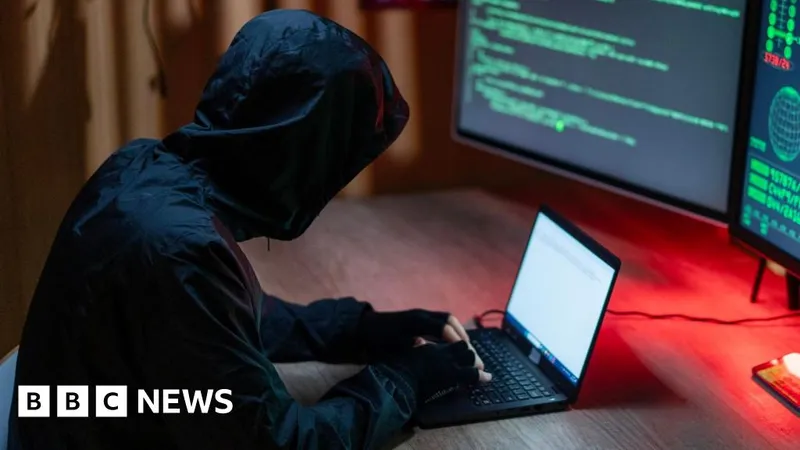 サイバー犯罪の物理的暴力化
サイバー攻撃は、単なるデータ窃取やランサムウェアによる金銭要求にとどまらず、物理的な暴力の脅威を伴うケースが増加しています。
特にランサムウェアの事例では、被害企業の従業員に対し、危害を加える旨の脅迫が大幅に増加していることが判明しました。
ハッカー集団は、自らが直接行動するのではなく、「暴力アズアサービス」として犯罪者を雇い、実際に脅迫や人質事件を実行させている状況です。
この傾向は、金融的損失の増加や、仮想通貨取引を巡る深刻な事例からも確認されており、デジタル上の脅威が現実世界のリスクへと移行しています。
近年、サイバー攻撃の脅威が単なるデータ窃取や金銭要求に留まらず、物理的な暴力の示唆や実行にまでエスカレートしていることが明らかになりました。米国FBIのデータやセキュリティ企業の調査によると、ランサムウェア攻撃における物理的脅迫は急増しており、サイバー犯罪の危険性が現実的なレベルに達していると指摘されています。
サイバー攻撃の脅威の深刻化
世界中でサイバー攻撃の件数は増加の一途をたどっており、米国だけでも2015年の288,012件から昨年は1,008,597件と過去最高を記録したとのことです。この攻撃により、米国企業などへの経済的損失は2025年には208億ドル(約3兆円)に達すると見られています。従来のサイバー犯罪は、企業のシステムに侵入して機密データを盗んだり、システムをロックして身代金を要求したりするのが主流でした。
しかし、近年では、身代金を支払わない企業や従業員に対し、実際に身体的な危害を加えるといった脅迫を行うケースが急増していることが判明しています。
ランサムウェアにおける物理的脅迫の増加
セキュリティ企業のSemperisの調査によると、2025年の世界のランサムウェア攻撃のうち、最大40%で、身代金支払いを拒否した従業員に対して物理的な危害を加えるという脅迫が行われていたそうです。特に米国では、企業が物理的な脅迫を受ける割合が46%に上ると報告されています。攻撃者は、被害者の個人情報(自宅住所や社会保障番号など)を入手し、電話などで従業員に接触することで、強い威圧感を与える手法が確認されています。
また、製造機械を操作し、ロボットやコンベアベルトをオンオフすることで、実際に怪我や死につながりかねない状況を作り出す事例も報告されています。
「暴力としてのサービス」の台頭
物理的な脅迫や攻撃は、国家支援型グループから来る場合もありますが、多くは純粋に金銭目的のグループによるものとされています。これらのハッカーは比較的若年層(17歳から25歳程度)が多いと分析されています。彼ら自身が直接暴力行為を行うのではなく、メッセージボードやSNSで「暴力の提供」を募集し、第三者に実行させているケースが目立っています。
EUの法執行機関であるEuropolは、このような「Violence as a Service(暴力としてのサービス)」と呼ばれる犯罪を調査しています。米国でも、オンラインで繋がった犯罪者ネットワーク「In Real Life Com」が攻撃的になっているとの警告が発せられており、物理的な攻撃や誘拐といった深刻な事案が増加している状況です。
結論:サイバー犯罪の新たなリスク
サイバー犯罪は、単なるデジタルな脅威から、現実世界での生命や身体を脅かす物理的なリスクへと変貌を遂げつつあります。企業や個人は、データセキュリティ対策だけでなく、物理的な安全確保や、オンライン上の情報漏洩に対する警戒を一層高める必要があると見られています。
原文の冒頭を表示(英語・3段落のみ)
11 hours agoEmma WoollacottTechnology reporterGetty ImagesHackers are said to be hiring criminals to threaten employees at companies they are trying to break intoA few years ago, Tim Beasley opened his front door to discover that a small package had been left on the step."I was like 'what the heck is this?'. I opened the box, and went 'oh!', and I immediately threw it away."Inside the box was a threatening note, alluding to physical violence if he didn't back off.Beasley works for a US security firm called Semperis, and at the time he was involved in ransom negotiations on behalf of a US government organisation that had been hit by a cyber-attack.The package delivered to his home in the US was a warning from the ransomware group he had been having to talk to.Cyber-attacks continue to soar around the world. In the US alone, the number of reported instances has increased from 288,012 in 2015 to 1,008,597 last year, a record high, according to new figures from the FBI.It said that the resulting financial loss for US companies and other organisations totalled $20.8bn (£15.4bn) in 2025. That was up from $16.6bn in 2024.Meanwhile, cyber-attacks in the UK also hit new highs last year.Usually in such instances the hackers try to infiltrate a company's computer system to steal sensitive data, or to take control and lock out the business. The cyber criminals then demand money for the return of the data, or to hand the system back to the firm in question.But an increasing number of cyber attackers are now going further in their efforts to extort their victims - and threatening actual violence. The number of such physical threats rose more than twofold last year in the US, FBI annual data shows.Separate research from Semperis found that in as many as 40% of global ransomware attacks in 2025, the criminals threatened to physically harm members of staff who refused to pay a ransom demand.The phenomenon was said to be even more widespread in the US, where companies experienced physical threats 46% of the time."It's always been here in the background, but it's becoming more of a reality, slowly inching its way up," says Beasley.Tim BeasleyTim Beasley had a threatening note left on his doorstepHackers are threatening staff after accessing their personal data, including their home addresses. That was the case with one hospital ransom negotiation that Zac Warren from US security firm Tanium worked on."We started getting reports that employees within the hospital were getting phone calls," says the chief security advisor for Europe and the Middle East. "So they were calling into the hospital… and asking for nurses by their name, and then talking to them and telling them that they knew where they lived."They gave them street addresses, they gave them social security numbers, they did all of these things to make people really feel like they were being watched. They had all this information, so there's a really strong level of intimidation of the clinicians that was taking place."Sometimes, the threat of physical harm is less direct - but no less potentially lethal. In some cases, for example, attackers have been able to take control of manufacturing machinery and demonstrate their control by turning devices such as robots and conveyor belts on and off - actions that could easily lead to injuries or even death.Many ransomware gangs are state-sponsored, and threats of violence have been seen coming from Russia, China, Iran, and in some cases North Korea.However, most physical threats tend to come from purely financially-motivated groups. These hackers are often very young. The FBI's profile of one such group indicated an age range of mostly between 17 and 25.In many cases such cyber-criminals are said to pay others to threaten the violence, or actually carry it out."They themselves [the hackers], in a lot of cases don't want to get their own hands dirty," says Beasley. So instead they will post on message boards or social media to "do some recruiting, offer some cash and then people get hit or they get stalked".Some of the most severe threats of violence - and actual physical attacks - are to be found in the murky world of cryptocurrency investment. Last May, for example, French police rescued the father of a cryptocurrency millionaire who had been kidnapped and held for ransom in a Paris suburb.According to media reports the victim had one of his fingers cut off.AFP via Getty ImagesPolice in Paris had to rescue a man who had been kidnapped earlier this yearLast year in Europe, including the UK, there were more than 18 such cases, according to one report. The study said there had been a "dramatic increase" in cybercrime involving physical attacks.Europol, the law enforcement agency of the European Union, investigates such crime as part of its wider efforts to catch the perpetrators of all "violence as a service", where individuals carry out attacks for a fee. In the US, the FBI issued an alert last summer, warning about the increased risk of violence from a network of online-linked criminals called "In Real Life Com". These criminals, it said, are becoming increasingly aggressive, and happy to offer violence-as-a-service."If you are looking for something bad to happen to somebody you can find somebody that's willing to take that action for you within 'The Com'," says Adam Meyers, senior VP for counter adversary operations at cybersecurity software firm CrowdStrike."That could be throwing bricks through a window, it could be setting something on fire, it could be a shooting or it could be a kidnapping. Lower technically-sophisticated people will probably gravitate more towards violence-as-a-service because violence is often the only thing they have that they can bring to the party."Zac WarrenZac Warren says that affected workers can face "really strong levels of intimidation"In the cryptocurrency cases, adds Meyers, the victims have probably drawn attention to themselves by being careless about what they reveal on social media, showing off about their success."Cryptocurrency people tend to have discussions about it in a way that you don't find with people who maybe have gold," he says. "They're online talking about trading cryptocurrency and how much money they've made, trying to get followers and get attention. As you do that, you're drawing attention to yourself."Beasley says that threats of violence linked to cybercrime will likely only continue to rise "because people keep paying" as a result of it. "They don't want their kids getting kidnapped."He adds: "It does make you want to look behind your back."
※ 著作権に配慮し、引用は冒頭3段落までです。続きは元記事をご覧ください。