最も多作な人々はいかにして大量の成果を生み出すのか
 超生産性を生む四つの要素
本記事は、最も生産性の高い人々が成功を収める秘訣を4つの視点から考察している。
一つ目は不安定さであり、精神的な揺らぎが創造性を刺激する可能性がある。
二つ目は死や神への意識であり、時間の有限性を感じることで行動が促進される。
三つ目はエゴ、つまり「最高の自分である」という自己実現への強い渇望だ。
そして四つ目が破壊的な事象であり、大火災や戦争のような制約がエネルギーを生産的な活動へと向けさせる要因となっている。
なぜ一部の人物は、驚異的な量の作品を生み出し続けるのでしょうか。本記事では、歴史上の偉大な作家や芸術家など、極めて多作な人々が持つ共通の特性について、一つの考察を深めています。単なる才能や努力論ではなく、彼らの内面的な動機や環境要因に焦点を当て、その生産性の源泉を探ります。
精神的な不安定さと創造性
多作な作家たちには、ある種の精神的な不安定さが共通していると指摘されています。D.H. Lawrenceやチャールズ・ディケンズといった著名な作家たちは、精神的に不安定な側面を持っていたとされています。これは、一部の精神疾患が生産性に影響を与える可能性を示唆する研究結果とも関連しています。不安定さや強い内的な葛藤が、創作活動を駆動するエネルギー源となっているのかもしれません。
死や超越的な目標による原動力
「死」や「神」といった超越的なテーマも、多作を生み出す重要な要因として挙げられています。例えば、ジョン・スチュアート・ミルは1854年の死の危機をきっかけに、晩年の重要な著作を書き始めました。また、ミケランジェロは神の栄光のために常に制作活動を行っており、その強い使命感が生産性を高めていたとされています。人生の有限性や、より大きな存在への奉仕が、創作への強い動機付けになっていると考えられます。
自己実現と環境の強制力
生産性を高める要因として、「自己への高い要求(エゴ)」や「環境による強制(ディスラプション)」が挙げられています。フランク・ロイド・ライトのような建築家は、建築を救うという強い使命感に突き動かされました。また、ロンドン大火のような大規模な災害は、クリストファー・レンのように、新たなプロジェクトを集中して進めるための環境的な「強制力」を生み出すことがあります。これらの外部要因が、エネルギーを生産的な流れへと導いていると分析されています。
まとめ
多作な人々を支えるのは、単なる才能ではなく、精神的な葛藤、死生観、そして彼らを突き動かす強い使命感や環境的な制約といった、複雑な内発的・外発的な要因であると考察されています。これらの要素が、人間の創造的なエネルギーを爆発させる鍵となっているようです。
原文の冒頭を表示(英語・3段落のみ)
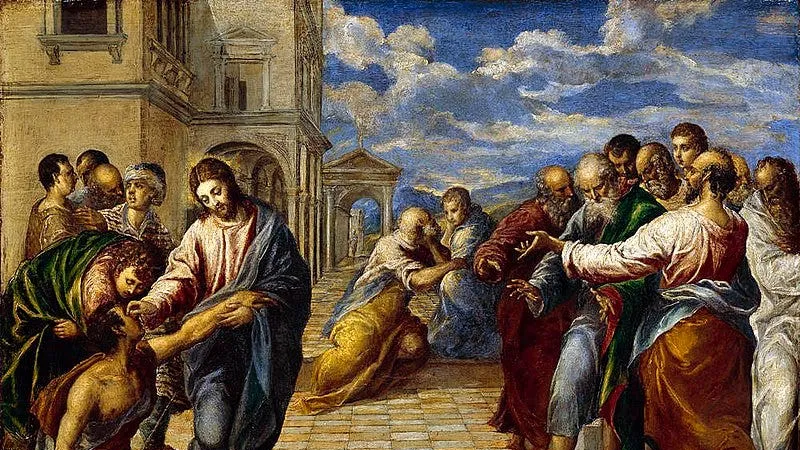
I accidentally published twice on Monday (sorry, human error!)—so paid subscribers got my essay and video about J.S. Mill and the deeper springs of human character early. I was therefore going to take a pause today, but that didn’t seem right for a post about productivity…Here are four ideas I have long nurtured as suspicions for what makes the most productive people quite so successful, inspired by a recent conversation I had that I’m hoping to bring to you soon. Many people will have aspects of more than one of these criteria—Beethoven, for example.Instability. Think of the most prolific writers—D.H. Lawrence (seventy-five volumes), Charles Dickens (thirty volumes), Samuel Johnson (twenty-three volumes, plus a whole dictionary and edition of Shakespeare)—and you think of people who are, in some way, mentally unsettled. The recent Joyce Carol Oates profile reinforced this to me. And I learned that Gwern thinks partial mood disorder is behind some people’s productivity. Death (and God). John Stuart Mill (thirty-three volumes) was spurred into the late work (On Liberty, Autobiography, Subjection, &c.) by a death scare in 1854. He wrote in his diary that the night cometh when no man can work, a bible quotation which Johnson once had carved on his watch. The most prolific composer, J.S. Bach, might not have been unstable (who knows?), but he wrote for God, and the Lutheran church emphasises preparing for death. Michelangelo was always working to the glory of God, preparing his soul (factor in his work running the building site at St. Peters and he gets way more productive: that building wouldn’t exist without his project management). Montaigne wrote his essays because he was running out of time.Ego. This sounds obvious, but someone like Frank Lloyd Wright was driven by a monstrous sense that he had a mission to save architecture, which is no small part of why more than half his life’s work was done after retirement age. Virginia Woolf, prolific considering her early death (include her diaries) was similar. Noel Coward, who could have been more productive but still produced an awful lot, shares with them a childhood that, directly or indirectly, nurtured a sense of excellence: they had to be the ones to do this. It was part of living up to their idea of themselves. Disruption. If you want to build fifty churches, like Christopher Wren, plus St. Pauls, and assorted Oxford and Cambridge buildings, the Great Fire of London helps. Not only does this force you to switch from an explore to exploit phase, it makes more likely that the conditions for productivity—decision making, resources, cooperation, speed—will be in place. When London sits in ashes, stakeholder management gets a little easier: you can only do major projects at that point. Proximity to plague and war did Shakespeare, Newton, and many others no harm on this front. The right sort of restrictions create channels for energy to flow productively.El Greco. Healing of the Man Born Blind. “Neither hath this man sinned, nor his parents: but that the works of God should be made manifest in him.”
※ 著作権に配慮し、引用は冒頭3段落までです。続きは元記事をご覧ください。