スマートグラスで盗撮し金銭を要求
 盗撮動画削除に金要求
イギリスの女性が、スマートグラスを装着した男に盗撮され、動画削除と引き換えに金銭を要求された。
同様の被害に遭う女性が複数おり、SNSでの無断撮影・投稿が問題となっている。
男は動画を削除する代わりに有料サービスだと主張し、警察への通報も虚偽の対応に終わった。
SNSプラットフォームの責任や法的規制の強化が求められている。
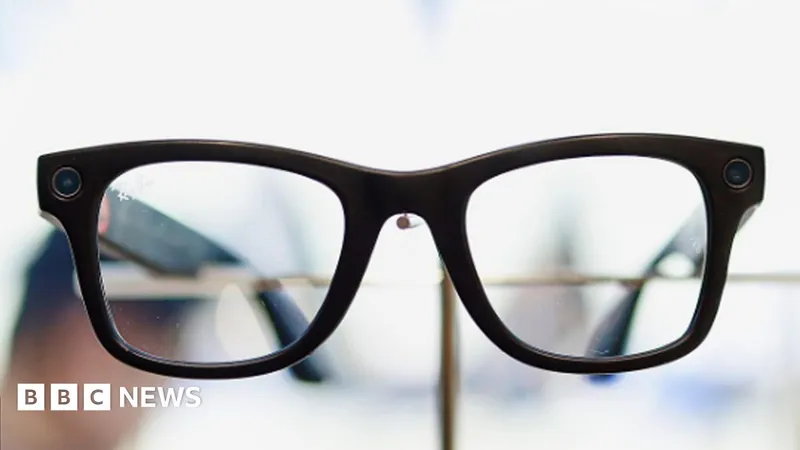
ロンドンでスマートグラスを装着した男性にこっそり撮影され、動画削除と引き換えに金銭を要求された女性がいるという出来事が報じられています。BBCによる調査では、同様の被害に遭う女性が複数存在し、スマートグラスの普及が新たなプライバシー侵害のリスクを生み出している可能性が浮上しています。この問題は、個人の同意なしに撮影・公開された動画の取り扱い、そしてスマートグラスの利用目的と倫理観を問うものとして注目されています。
スマートグラスによる秘密撮影の横行
スマートグラスは、カメラ機能を内蔵したウェアラブルデバイスであり、日常的に装着することで周囲の状況を録画することが可能です。今回BBCが取材した女性(仮名:アリス)は、ロンドンのショッピングモールでスマートグラスを装着した男性に声をかけられ、気づかないうちに撮影されていたとのことです。撮影された動画はSNSに投稿され、約4万回も再生されたと見られています。アリスは友人に動画を送られたことでその存在を知り、大きな衝撃を受けたといいます。同様の被害に遭っている女性は複数いるようで、スマートグラスの普及が新たなプライバシー侵害のリスクとなっている様子が伺えます。
動画削除と引き換えの金銭要求
アリスは撮影された動画の削除を要求しましたが、投稿者は動画削除を有料サービスとして提供する姿勢を示したとのことです。これは、個人のプライバシーを侵害した動画を金銭と引き換えに削除するという、倫理的に問題のある行為と見なされます。アリスは投稿者の対応に「搾取された、無力さを感じた」と語っています。警察に通報したものの、情報が限られているため捜査は難航している状況です。TikTokは、投稿者のアカウントを停止しましたが、別のSNSに動画を再投稿する事態も発生しています。
投稿者の釈明とTikTokの対応
動画を投稿した男性は、BBCの取材依頼を拒否し、身元を明かしていません。しかし、メールを通じて「困らせたり、危害を加える意図はない」と主張しています。動画削除を拒否した理由について、個別のケースごとに検討していると説明していますが、釈明は不十分であると見られています。TikTokは、投稿者のアカウントを停止しましたが、同様の行為が他のプラットフォームで繰り返される可能性も否定できません。今回の件は、スマートグラスの利用目的と倫理観、そしてSNSにおけるプライバシー保護の重要性を改めて認識させる出来事と言えるでしょう。
まとめ
今回の事件は、スマートグラスの普及に伴う新たなプライバシー侵害のリスクを浮き彫りにしました。個人が知らないうちに撮影・公開された動画の取り扱いに関する議論が活発化していくことが予想されます。同様の被害を防ぐためには、スマートグラスの利用目的の明確化、プライバシー保護に関する意識の向上、そして法整備などが求められると考えられます。
原文の冒頭を表示(英語・3段落のみ)
Woman covertly filmed for 'humiliating' social media content - then told to payFigure caption, Alice was filmed by a man wearing smart glasses without her knowledgeByGeorgia PonciaSouth East Investigations Team Alice - not her real name - says she was covertly filmed by a man wearing smart glasses, who then requested money to remove the video from social media. She contacted the man who posted the video, telling him it made her feel "humiliated". But when she asked for it to be taken down, was told he would only remove it as a "paid service".Alice is one of many women who have spoken to the BBC about the distress they have endured after being recorded and posted online without their knowledge or consent. The BBC contacted the man who filmed and posted the video of Alice. He refused to be interviewed, but in an email said he "does not seek to cause distress or harm". 'Complete shock'Alice was walking into a London shopping centre when she was approached by a man wearing smart glasses. She says she had no idea she was being filmed."In the moment I just thought 'OK this guy is just trying to talk to me, to chat me up'," she said."I was hoping that he would leave me alone eventually but he did actually follow me."The video was posted on social media and viewed about 40,000 times, though Alice only found out about it after a friend sent it to her. "My initial reaction was complete shock," she said. "He had no phone, he did not have a camera directly in my face."The videos are often posted on social media under the guise of giving dating advice to other men online. Alice contacted the BBC following an investigation which exposed how smart glasses are being used to create harmful content by male influencers, after a woman from Brighton spoke out.'It made me feel exploited'Alice contacted the account that posted the video of her, asking for it to be taken down. She told the man who posted it that it made her feel "humiliated".In the email she received back, he said he would remove it as a "paid service".Alice says she was shocked by this response. "It made me feel exploited, powerless," she said.But she added she never considered paying the money, and reported the incident to the police. The Metropolitan Police said that an investigation was opened, but "despite initial enquiries, officers were unable to progress the investigation due to limited information". Image caption, Alice received an email in response to her request for the video to be taken down from social mediaThe BBC contacted the man that filmed Alice. He refused to give an interview or reveal his identity. Via email, he said that his "intention has always been to create light-hearted, respectful interactions"."I do not engage in harassment or deliberately seek to make anyone uncomfortable," he added.Asked why he did not remove the video of Alice after she contacted him, he said: "Where individuals have expressed genuine discomfort, I have reviewed content on a case-by-case basis and made adjustments where appropriate."He also re-posted the video of Alice on to a different social media site, after TikTok removed it. TikTok has since banned his account for breaching its rules on bullying and harassment. 'He still has the file'When asked about his attempts to charge her money, he initially said he did not require payment in exchange for removing content and was open to reviewing any situations where there had been "any misunderstanding or miscommunication in specific instances".When asked further, he said the reference to "removal as a paid service" was intended in the context of separate content-related requests, such as editing or usage arrangements, and "not as a condition for removing content in response to personal concerns". "I understand how that wording may have been interpreted differently, and I regret that it was not clearer," he added.However, Alice never asked for these services - she only asked for the video to be taken down. He refused to give further clarification. "He's got the file, which still makes me feel uneasy, still constantly having to check back and see if he is uploading the video again. I just feel powerless," Alice said. "If you don't consent to content being out there of yourself, it can actually be very dangerous. It's just a complete breach of privacy and data."The BBC knows of another woman that contacted this man to ask for their videos to be taken down. We cannot know how many of the women he has filmed were aware of what was happening to them. The BBC found multiple accounts run by the same man across YouTube, Instagram, and Threads, which post similar content. Meta, the company that owns Instagram and Threads, as well as making smart glasses, has not given the BBC a comment but has taken down the video of Alice which was reposted. The YouTube account posting similar videos is no longer active. What does the law say?Law researcher Prof Clare McGlynn, of Durham University, says this behaviour "is not your standard blackmail", where someone takes an intimate image and threatens to post it online.The video of Alice had already been posted.She said in this case the man was "refusing to take something down, unless the victim pays him money, and that is a threat to that victim"."It's extremely worrying," said Dr Beatriz Kira, an assistant professor from the University of Sussex law school. People posting content on social media can make money from doing so. For example, TikTok offers a Creators Rewards Programme which rewards influencers for posting popular videos. Kira says more needs to be done to stop social media platforms and influencers making money from content that is harmful. There need to be "solutions not only focused on taking down the content but really cutting incentives at the root", she said. A government spokesperson said that "women and girls deserve to feel safe" and that "filming and sharing content online without their consent is vile and will not be tolerated".They added that the new Violence Against Women and Girls strategy, published in 2025, set out "measures to tackle abuse enabled by technology, to help protect victims and hold perpetrators to account". Get in touchHave you been affected by the issues raised in this story?
※ 著作権に配慮し、引用は冒頭3段落までです。続きは元記事をご覧ください。