アラスカで記録的な巨大津波、過去最大級
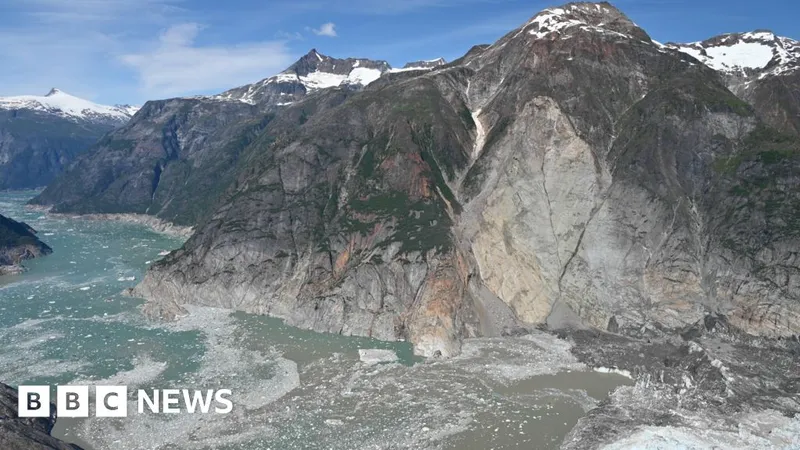 アラスカ 巨大津波 記録更新
アラスカで発生した巨大な山崩れにより、高さ500メートルに達する巨大津波(メガ津波)が発生し、過去に記録された2番目に大きい津波となりました。
温暖化による氷河融解が山崩れを頻発させ、将来的に観光船が巻き込まれる可能性も指摘されています。
科学者たちは、アラスカの危険箇所の監視体制強化を訴えています。
この津波は、1950年代に発生した過去最大級の津波に次ぐ規模でした。
アラスカ南東部のフィヨルドで2025年8月、山の斜面が海へ崩落して約500メートル高さの「メガツunami」が発生していたことが、新たな科学分析で明らかになった。6400万立方メートルもの岩が海に落下し、史上2番目の規模となったこの波浪。研究者たちは、気候変動による氷河の融解が山体の安定性を低下させていると警告している。
約500メートルの波浪が発生
アラスカ南東部のトレイシー・アーム・フィヨルドで去年夏、巨大な山体滑坡が発生し、海に落下した岩の量が約6400万立方メートルに達した。これはギザの大ピラミッド24個分に相当する量が1分以内に水中へ突入し、約500メートル高さの波浪を生み出した。発生時刻が未明だったため、運よく観光クルーズ船が巻き込まれなかったemselves。現地を訪れた地質学者ブレトウッド・ヒグマンさんは「あと少しで人被覆するところだった」と語っている。
氷河融解が崩壊招く
この波浪は地震ではなく、山体の滑坡によって発生する「メガツunami」と呼ばれるもの。従来の海洋性ツunamiが地震によって引き起こされるのに対し、メガツunamiはLOCALIZEDで急速に減衰する特徴がある。ロンドンの大學Stephen Hicks氏らの研究チームによると、氷河は従来までその場所の岩を支えていたが、気候変動で氷河が後退したことで崖の底が露出。支えを失った岩が突然崩落するようになったとのことです。ヒグマンさんは「過去数十年に比べ、メガツunamiの発生頻度は約10倍に増加している」と指摘しています。
観光地も安全策強化
ア拉斯加は険しい山脈と狭いフィヨords、頻繁な地震が発生し、メガツunamiが起きやすい地形。研究者はア拉斯加の特に危険な地域での監視体制拡充を訴えている。一部のクルーズ会社では安全性を理由にトレイシー・アームへの航行中止を表明。ヒグマンさんは「今後ますます多くの人々が自然の美しさを求めこれらの場所を訪れるが、同時に危険な場所でもある」と警告している。
まとめ
1950年代に記録された500メートルを超える史上最大規模のメガツunamiに次ぐ今回は、気候変動と観光開発の兼ね合いが浮き彫りになった。研究チームは今後も現地調査と衛星データを活用した監視を続け、有事における早期警戒体制の整備が必要不可欠だとしています。
原文の冒頭を表示(英語・3段落のみ)
19 hours agoKate Stephens,Helen BriggsandKevin Church,Climate and Science teamPhoto by Cyrus Read/U.S. Geological SurveyAerial view of the August 2025 landslide and tsunami near South Sawyer Glacier in AlaskaA massive 'megatsunami' wave created when part of an Alaskan mountain crumbled into the sea is the second tallest ever recorded – and a reminder of the risks posed by melting glaciers, say scientists.Last summer a giant wave swept through a remote fjord in southeast Alaska leaving destruction in its wake.The event went largely unreported at the time, but a new scientific analysis shows it was caused by a massive landslide.An incredible 64 million cubic metres of rock – the equivalent of 24 Great Pyramids - splashed into the water below. The sheer power of that amount of rock plunging into the fjord in under a minute created a gigantic wave almost 500 metres tall.Only the time it happened – in the early hours of the morning – prevented tourist cruise ships being caught up in the devastation, say the researchers.Dr Bretwood Higman, an Alaskan geologist, who saw for himself the damage at Tracy Arm Fjord, said it was "a close call"."We know that there were people that were very nearly in the wrong place," he said. 'I'm quite terrified that we're not going to be so lucky in the future."Tracy Arm in Southeast Alaska is known for its sheer cliffs and icy terrainThese huge waves, labelled megatsunamis, happen when a landslide caused by either an earthquake or loose rock hit water below. They are usually localised and dissipate quickly.The other type of tsunamis happen in the open ocean and are directly triggered by earthquakes, or occasionally other powerful events such as underwater volcanoes. They, like the 2011 Japan tsunami, can travel for thousands of miles, hitting populated areas and causing widespread devastation and loss of life.The biggest megatsunami was in the 1950s and was over 500 metres. This latest megatsunami was the second largest.Dr Higman arrived on the scene a few weeks after the tsunami hit at the Tracy Arm Fjord – a destination popular with cruise ships exploring the natural wonders of Alaska.He found broken trees littering the mountainside and hurled into the water, and vast swathes of scarred rock stripped of soil and vegetation.Alaska is especially vulnerable to megatsunamis because of its steep mountains, narrow fjords and frequent earthquakes.Now new research published in Science suggests glacier melt driven by climate change is making such collapses far worse.The team combined field work, seismic and satellite data to reconstruct a domino chain of events and trace the height of the wave.Dr Stephen Hicks of University College London said the glacier was previously "helping to hold up this piece of rock", and so when the ice retreated, it exposed the bottom of the cliff face, "allowing that rock material to suddenly collapse into the fjord".He and his colleagues have studied tsunamis for decades and are worried."More people are now going to remote areas - often these tourist cruises are going to see the natural beauty of the area to actually learn more about climate change - but they are also dangerous places to be."Photo by Cyrus Read/U.S. Geological Survey.Ground-level view of tsunami damage near the mouth of the fjord showing uprooted trees and vegetation stripped from the shoreline.Dr Higman said there is little doubt that the risks of megatsunamis are increasing."At this point, I'm pretty confident that these are increasing not just a little bit, but increasing a lot," he said. "Maybe in the order of 10 times as frequent as they were just a few decades ago."The scientists are calling for wider monitoring of hazards in parts of Alaska that might be vulnerable to megatsunamis.Some cruise companies have announced they are to stop sending ships into Tracy Arm amid safety fears.
※ 著作権に配慮し、引用は冒頭3段落までです。続きは元記事をご覧ください。