イーロン・マスク対OpenAI裁判、第一週の舞台裏
編集部が Musk 本線との関連を確認したうえで公開しています。方針は編集方針。
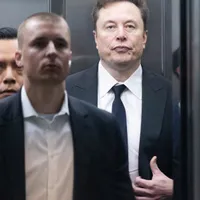
イーロン・マスク氏がOpenAIとサム・アルトマンCEOを提訴した裁判で、第一週の様子が報じられました。
マスク氏はOpenAIの非営利団体としての初期の約束が守られなかったとして訴えており、OpenAIの再編を求めるなど、高額な損害賠償請求も行っています。
裁判では、マスク氏とアルトマン氏の過去のテキストメッセージやメールなどが公開され、AIの安全性に関する議論も白熱しています。
マスク氏は自身のAI企業xAIがOpenAIのモデルを利用していることを認め、OpenAIの元幹部やマイクロソフトのCEOなども証人として出廷予定です。
AI分野の巨人であるイーロン・マスク氏とOpenAIのサム・アルトマンCEOが関わる法廷闘争が、カリフォルニア州オークランドの裁判所で幕を開けました。マスク氏は、自身が初期に投資したOpenAIが、非営利目的から営利企業へと変質したとして、OpenAIおよびアルトマン氏を提訴しています。この訴訟は、AI開発の倫理的・経済的な側面を巡る大きな論争を巻き起こしています。
非営利から営利への転換を巡る争点
マスク氏の主張の核心は、OpenAIが当初の「非営利の慈善信託」という約束を破り、実質的に営利企業として運営されているという点です。マスク氏は、初期に投じた資金は非営利目的で使われるべきだったと主張しています。一方、OpenAI側は、AI開発には莫大なコストがかかるため、マスク氏自身も営利部門の運営に同意していたと反論しています。裁判では、マスク氏がいつ、OpenAIの目的変更を知ったのかという「認識のタイミング」が重要な争点となっています。
AIリスクと倫理的議論の交錯
裁判の場では、AIの安全性や人類への潜在的なリスクに関する議論が頻繁に持ち上がっています。マスク氏の弁護士が「AIの結果、我々は皆死ぬ可能性がある」と発言した際、裁判官が「OpenAIを開発するマスク氏自身も同じ分野の企業を設立している」と指摘したことは注目されました。このやり取りは、本件が単なる契約違反の訴訟ではなく、AIの未来や倫理的なガバナンスを巡る社会的な議論へと発展していることを示しています。
法廷でのマスク氏の振る舞いと注目度
この訴訟は非常に注目度が高く、多くの報道陣や市民が裁判所周辺に集まっています。マスク氏自身は、SNS上での挑発的なイメージとは異なり、法廷内では落ち着いていて、非常に洗練された態度で臨んでいる様子が伝えられています。彼は過去の訴訟経験も踏まえ、弁護士や相手方弁護士、裁判官との間でウィットに富んだやり取りを見せており、その立ち振る舞い自体が大きな話題となっています。
結論
本件は、AIという最先端技術の商業化と倫理的責任のバランスを問う、極めて象徴的な裁判です。マスク氏の勝訴が実現すればOpenAIの事業計画に大きな影響を与える可能性があり、今後の展開が注目されます。
原文の冒頭を表示(英語・3段落のみ)
Here’s what we learned from Elon Musk’s testimony, and what to expect this week.May 4, 2026Elon Musk arrives to court at the Ronald V. Dellums Federal Building on April 30, 2026 in Oakland, California. Elon Musk invested in OpenAI early on believing it would be a non-profit, but is now suing OpenAI and its CEO Sam Altman for allegedly deceiving him by developing OpenAI into a for-profit company.Benjamin Fanjoy/Getty Images) This story originally appeared in The Algorithm, our weekly newsletter on AI. To get stories like this in your inbox first, sign up here. Two of the most powerful people in AI—Sam Altman and Elon Musk—began their face-off in court in Oakland, California, last week. Musk is suing OpenAI, alleging that the millions he spent to fund it around a decade ago were meant for a nonprofit, not a corporation, and that the company has reneged on that mission since. The stakes are high—even a partial win for Musk could set OpenAI back as it reportedly plans to go public this year. But most of the attention comes from the spectacle of a feud on X now playing out in federal court. “Cringey texts, raw diary entries, and endless scheming behind the founding and growth of OpenAI are expected to come to light,” my colleague Michelle Kim wrote before it began. And the trial unfolds as the cultural backlash against AI swells; some of the signs held by protesters outside the courthouse suggest that to a significant number of people, whatever the outcome of Musk v. Altman, we all lose. Most of us have had to observe the trial from afar, but Michelle, who also happens to be a lawyer, has been in court each day. I caught up with her to learn what’s unfolded thus far and what might come next.
Can you give us the overview of what this case is actually about? What exactly is being decided, and who is favored right now? Elon Musk is arguing that Sam Altman and OpenAI president Greg Brockman have breached the company’s charitable trust by effectively converting OpenAI into a for-profit company. Musk alleges that is not what they promised him in the company’s early days. He has asked for several remedies, like a crazy amount of damages and removing Sam Altman. But the main remedy he wants is unwinding OpenAI’s restructuring. [In October 2025 OpenAI struck deals with the attorneys general of California and Delaware that would essentially allow its nonprofit portion to have less day-to-day control of OpenAI. It’s a compromise from what OpenAI originally proposed, but Musk still wants to stop it.]
OpenAI argues that Elon Musk actually agreed to have the company operate a for-profit arm, because he knew building AI is very expensive. So it’s about proving what Musk knew, what he didn’t know, and whether he really was deceived by Altman and Brockman. There’s a big debate about when exactly Musk found out about this alleged misconduct. Musk founded OpenAI with Altman and Brockman in 2015, and he brought the suit in 2024. There’s a statute of limitations for charitable trust claims; you need to have brought a claim within three to four years after you find out about the alleged misconduct. So Musk tries to paint a picture that back in the day he was a little suspicious, but that it was really only in 2022 that he realized OpenAI was no longer committed to its original charitable mission, and that he had been scammed. It’s only the first week of trial, but I’m not sure Musk has proved this to the judge and jury. What were some standout moments thus far? At one point one of Elon Musk’s lawyers said, “We could all die as a result of AI.” I think a lot of the people in the room were really shaken by this comment, and the judge told Musk’s lawyer: You talk about all these safety risks that OpenAI has when building AI, but Musk is also creating a company that’s in the same exact space. She basically said, I’m sure there’s plenty of people who also don’t want to put the future of humanity in Elon Musk’s hands. And then the lawyers just kept going on and on about the catastrophic risks of AI and whether Elon Musk or OpenAI was in the better position to steward AI safety. And the judge sort of snapped. She said very sternly that this trial was not about whether or not artificial intelligence has damaged humanity. And I thought that was a really striking standout moment of the trial that pointed at how even though it is technically just about whether Elon Musk was really deceived by OpenAI, it’s also become a huge discussion about AI safety and some of the practices that the labs are engaging in when building AI. Can you give us a look behind the curtain at how getting into this trial works? There are tons of reporters. This is a very high-profile suit, so I have to wake up around 4:30 a.m. and show up to the Oakland courthouse at 6 a.m. sharp to get in line. And on some days, even 6 a.m. doesn’t get you into the courtroom. There are lots of photographers in front of the courthouse, especially on days when you know Musk or Altman and Brockman are present. And there’s also some concerned citizens who want to watch the trial. I usually have to wait, like, two hours in line to get in to be one of the 30 people who claim the unreserved seats in the courtroom. What has it felt like to see Elon Musk testify? How would you describe his demeanor?
※ 著作権に配慮し、引用は冒頭3段落までです。続きは元記事をご覧ください。