欧洲哨兵-1 星座已满负荷运行,地球观测能力显著增强
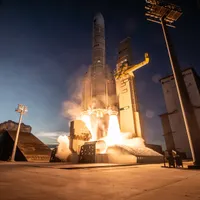
欧洲的“哥白尼”哨兵-1 雷达任务已实现满负荷运行,第四颗卫星 Sentinel-1D 已完成在轨调试并进入全面运营。
该星座由四颗卫星组成,提供全天候、各种天气条件下的合成孔径雷达 (SAR) 影像,用于监测自然灾害、海冰、地表变形、森林砍伐和洪涝等。
哨兵-1 任务将提供长达二十年的雷达观测数据,为环境变化跟踪和气候模型验证提供关键数据。
此外,Sentinel-1C 和 Sentinel-1D 采用了旨在减少空间碎片风险的新型分离机制,欧洲空间局(ESA)正在研发下一代哨兵-1 卫星,以确保测量连续性。
查看原文开头(英文 · 仅前 3 段)
Europe’s Copernicus Sentinel-1 radar mission is now operating at full capacity. The fourth and final satellite in the constellation, Sentinel-1D, has completed its in-orbit commissioning phase and entered full operational service, closing a chapter that began when Sentinel-1A launched in 2014.That first satellite did more than begin a mission. It launched Copernicus itself, the Earth observation arm of the EU’s space programme, and established Europe as a reliable supplier of continuous, high-quality radar data to scientists, governments and emergency services worldwide.From Two Satellites to Four, and One Lost Along the WayThe original constellation design called for two identical satellites orbiting 180 degrees apart for maximum coverage. Sentinel-1B joined its partner in 2016. Six years later, a technical anomaly left Sentinel-1B unable to acquire data, and the satellite was decommissioned in August 2022.Sentinel-1C launched in 2024 to restore the two-satellite configuration. Sentinel-1D followed a year later, lifted into orbit by Ariane 6, completing the expanded four-satellite fleet.Together, the constellation delivers synthetic aperture radar imagery around the clock, in all weather conditions. The data underpin monitoring of natural disasters, sea ice, land deformation, deforestation and flooding. These are applications that have made the mission indispensable to emergency responders and climate researchers alike.A 20-Year Data Record Now Within ReachThe mission’s most significant long-term contribution may be its data continuity. The Sentinel-1 series is on course to deliver an unbroken two decades of radar observations, a dataset without precedent in Earth observation history. That record provides the consistency researchers need to track gradual environmental changes and validate climate models.Sentinel-1C and Sentinel-1D also carry an engineering first: a new separation mechanism designed to reduce the risk of generating space debris, reflecting ESA and the European Commission’s stated commitment to responsible operations in orbit.ESA’s Sentinel-1 Mission Manager, Nuno Miranda, described the newly commissioned satellite as a turning point. “Sentinel-1 began as a trailblazer,” he said. “With the successful commissioning of Sentinel-1D, it now stands as a cornerstone.”ESA is already developing Sentinel-1 Next Generation, a follow-on series intended to maintain measurement continuity into the mid-2030s and beyond, with enhanced performance and new capabilities built on the existing mission’s legacy. Published by Kerry Harrison Kerry’s been writing professionally for over 14 years, after graduating with a First Class Honours Degree in Multimedia Journalism from Canterbury Christ Church University. She joined Orbital Today in 2022. She covers everything from UK launch updates to how the wider space ecosystem is evolving. She enjoys digging into the detail and explaining complex topics in a way that feels straightforward. Before writing about space, Kerry spent years working with cybersecurity companies. She’s written a lot about threat intelligence, data protection, and how cyber and space are increasingly overlapping, whether that's satellite security or national defence. With a strong background in tech writing, she’s used to making tricky, technical subjects more approachable. That mix of innovation, complexity, and real-world impact is what keeps her interested in the space sector. All posts by Kerry Harrison
※ 出于版权考虑,仅引用前 3 段。完整内容请阅读原文。