垃圾处理公司用机器人应对劳动力短缺
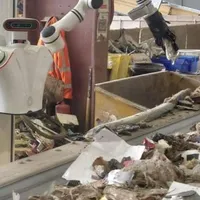
英国公司TeknTrash Robotics正在与一家中国公司合作,开发一种名为Alpha(自动化垃圾处理人形助手)的人形机器人,用于垃圾分拣和回收。
Alpha采用模仿人类动作的设计,旨在适应现有设备,无需大规模改造。
机器人的训练过程涉及VR技术记录人类操作,并通过HoloLab系统收集大量数据进行学习,以提高其识别和抓取物品的准确性。
该技术的推广预计可以实现24/7不间断工作,改善工作环境并提升行业竞争力,同时为现有员工提供机器人维护和监督方面的培训机会。
查看原文开头(英文 · 仅前 3 段)
A potential answer to that high-staff turnover, was also on the line when I visited. A robot, known as Alpha (Automated Litter Processing Humanoid Assistant) was being trained to pick through the rubbish.Built by RealMan Robotics in China, it's being adapted for real-world recycling operations by the British firm TeknTrash Robotics.Automated robots are not new to the sector, but the use of a humanoid is unusual.TeknTrash founder and CEO Al Costa argues that copying human movement allows his robot to fit into existing plants without redesigning the machinery.Alpha is not up to speed yet, instead, it's on a training agenda and being guided through arm movements. Next to it, a plant worker wears a VR headset to record his own endeavours to demonstrate what successful picking and sorting looks like.The learning process is two-fold. The first is identifying what's on the conveyor and the second part is actually lifting up items.Costa says this is exactly what early-stage training looks like."The market thinks these robots are prêt‑à‑porter, that all you need to do is to plug them to the mains and they will work flawlessly. But they need extensive data in order to be effectively useful."He showed me how a system called HoloLab delivers data from multiple cameras to train Alpha.They warn it what's coming, they guide its arms, and they report failures if unpicked items stay on the belt. The passing of thousands of items delivers millions of data points every day.The training might take time, but if it works, it could make life much easier for the firm."The attraction of a humanoid is that you can put it here and it stays here. It will pick all day, 24 hours a day, seven days a week. It's not going to apply for a holiday, it's not going to have a sick day," says Chelsea Sharp, plant finance director and granddaughter of company founder Tom Sharp.With different approaches, all three companies agree that the human‑intensive model is no longer sustainable.Across the industry, academics studying waste‑processing say the shift to automation is not only inevitable, but necessary.As Prof Marian Chertow of Yale University puts it: "Robotics coupled with AI-driven vision systems offers the greatest potential for improving material recovery, worker experience, and economic competitiveness in the recycling sector."Back in east London, the worker experience is "unappealing", admits Chelsea Sharp."This is a really dirty place to work. You can see the dust, you can hear the noise. It's not that nice."Robots are unbothered by those conditions, but what becomes of the human workers as the technology scales up?Sharp claims there will be further work opportunities: "The plan is to upskill those staff. They'll be maintaining and overseeing the robots. And it brings those same people away from any dangers, including the unpleasant environment, heavy lifting and noise."
※ 出于版权考虑,仅引用前 3 段。完整内容请阅读原文。