印度娱乐业的AI革命:经典电影结局遭修改引争议
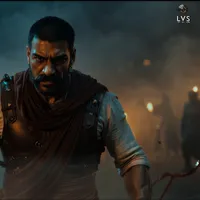
印度娱乐公司Eros International利用人工智能技术,未经导演和主演同意,修改了2013年印度爱情电影《Raanjhanaa》的结局,使男主角从悲惨死去变为幸存,引发了巨大争议。
导演和主演公开反对,认为此举破坏了电影的灵魂和电影行业的遗产。
尽管Eros International以版权方的身份辩称有权这样做,但此事件凸显了印度电影行业对人工智能技术的积极拥抱,与好莱坞因人工智能对演员和编剧的影响而产生的担忧形成了鲜明对比。
目前,印度电影制作的各个环节,甚至完全由人工智能生成的影片,都已大量应用人工智能技术。
查看原文开头(英文 · 仅前 3 段)
Picture the climactic ending of James Cameron’s Titanic: Kate Winslet as Rose, promising to “never let go” as Leonardo DiCaprio’s Jack tragically succumbs to hypothermia in the icy Atlantic sea.Now imagine, instead of slipping beneath the waves, Jack revives, hauls himself aboard the lifeboat, pushes back his floppy hair and embraces Rose — so that the duo may sail away to live happily ever after.
This alternate ending could surely be achieved, in relatively convincing fashion, using some combination of the best visual effects and artificial intelligence tools currently available. But what would the industry reaction be if the Walt Disney Company, rights holder of Titanic, were to alter the beloved classic in just this way and then re-release it in cinemas — over the vocal objections of DiCaprio and Cameron, no less? A situation of just this kind played out in the Indian entertainment industry last year.Romantic drama Raanjhanaa, produced by Eros International and directed by Aanand L. Rai, was one of India‘s sleeper hits of 2013. Made for about $3.5 million, it earned $11 million at the Indian box office and became something of a cult classic in the years that followed. The film features Tamil superstar Dhanush and Bollywood royalty Sonam Kapoor in a wrenching romantic tragedy set in Varanasi and New Delhi. Dhanush plays Kundan, a Hindu boy whose lifelong, unrequited love for Zoya (Kapoor), a Muslim woman with political ambitions and another man in her heart, drives him into a spiral of deception, self-destruction, and sacrifice that ends with his heartbreaking death by assassination in the film’s final moments. Last August, Eros International released a new Tamil version of the movie with its final scenes altered with AI reconstructions so that the romantic lead survives. The new closing sequence — fully synthetic — ends with the opposite of the original’s tragic note, as Dhanush’s character wakes up and smiles in a hospital bed, having survived the assassination attempt. The film’s director and star were vehement in their opposition to the re-release — “This alternate ending has stripped the film of its very soul, and the concerned parties went ahead with it despite my clear objection,” Dhanush wrote on social media, adding that AI alterations “threaten the integrity of storytelling and the legacy of cinema” — but their protests proved insuffient to stop the release. Eros responded forcefully, contending that as the “sole financier, producer and rights holder of Raanjhanaa,” it is the “legal author of the film” under Indian copyright law, and thus free to do with the finished work whatever it pleases.
“It was quite painful,” Rai, known for directing some of India’s biggest romantic dramas of the past decade, says of the experience. “I was hurt that the ending of my film was being changed and that someone was playing with the emotions in my work.”
※ 出于版权考虑,仅引用前 3 段。完整内容请阅读原文。