大気中の二酸化炭素濃度、過去最高値を記録
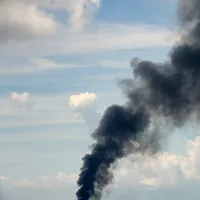
国立海洋大気庁(NOAA)のマウナロア天文台の観測データによると、4月に大気中の二酸化炭素濃度が過去最高となる1か月平均431ppm(parts per million)を記録しました。
これは、植物の分解による温室効果ガスの放出や、再生可能エネルギーの普及など、様々な要因が複雑に絡み合った結果です。
マウナロア天文台は長年にわたり大気中の二酸化炭素濃度を観測してきた重要な施設ですが、予算削減の可能性に直面しています。
過去のデータと比較すると、産業革命以前は280ppm以下、間氷期でも300ppmを超えないレベルでした。
ハワイのマウナロア観測所が発表したデータによると、大気中の二酸化炭素(CO2)濃度が4月時点で過去最高の水準に達したとのことだ。CO2は温室効果ガスとして地球温暖化の主要因とされており、この記録的な上昇は世界的な気候変動への懸念を改めて浮き彫りにしている。
CO2濃度上昇の現状と懸念
CO2濃度は、全分子数100万個に対する特定のガスの分子数の割合(ppm)で測定される。今回の4月平均値は約431 ppmであり、これは過去の記録を更新した形だ。気候科学者のザカリー・レイブ氏(Climate Central所属)は、この記録的な上昇は「憂鬱なニュース」であるとコメントしている。彼は、地球が温暖化し続ける限り、CO2濃度が上昇し続けることの明確な兆候だと指摘している。
マウナロア観測所の歴史的役割
マウナロア観測所は、米国における大気CO2の長期観測施設の中で最も歴史が長い施設の一つだ。1958年にCO2の記録を開始して以来、この観測所は地球の大気状態を継続的に監視してきた。過去のデータでは、産業革命以前のCO2濃度は280 ppm以下であり、温暖な間氷期においても300 ppm程度で頭打ちになっていたことが示されている。
観測体制の危機と今後の展望
問題は、この重要な観測所が予算削減の危機に瀕していることだ。2027会計年度の予算案では、マウナロアを含む多くの気候監視施設の資金が削減されることが提案されている。一方で、AIデータセンターの電力需要増などにより2025年には排出量が一時的に増加したものの、太陽光や風力といった再生可能エネルギーの利用拡大は、将来的な楽観的な見通しにつながるとレイブ氏は述べている。
まとめ
CO2濃度は依然として上昇傾向にあるものの、観測体制の維持と、再生可能エネルギーへの移行加速が喫緊の課題となっている。科学的データの継続的な収集と、温暖化対策への取り組みが求められている。
原文の冒頭を表示(英語・3段落のみ)
These data come from the National Oceanic and Atmospheric Administration’s Mauna Loa Observatory, which may soon be shut down because of proposed government budget cutsBy Adam Kovac edited by Claire Cameron Jordan Lye/Getty ImagesThe amount of carbon dioxide detected in the atmosphere hit a record high in April. CO2 levels averaged about 431 parts per million (ppm) over that month, according to data collected at the National Oceanic and Atmospheric Administration’s Mauna Loa Observatory in Hawaii.Greenhouse gases, such as carbon dioxide, are measured as a proportion of the total atmosphere. The numbers are presented as the number of molecules of a particular gas out of a million total molecules, or ppm.Climate scientist Zachary Labe of Climate Central, a nonprofit that researches climate change, says the new record is “depressing” but not unexpected.On supporting science journalismIf you're enjoying this article, consider supporting our award-winning journalism by subscribing. By purchasing a subscription you are helping to ensure the future of impactful stories about the discoveries and ideas shaping our world today.“It’s just another sign that carbon dioxide continues to increase in our atmosphere as our planet continues to warm,” he says. “For many climate scientists, this is just ‘here it is again, another record in the wrong direction.’”Labe explains that the amount of CO2 in the atmosphere tends to peak in April each year as decaying plants release greenhouse gases after winter. Some of that CO2 gets reabsorbed by plants as they grow during the warmer months. But NOAA’s data show a worrying trend, with the average monthly amount of CO2 steadily increasing.NOAAThe Mauna Loa Observatory has been directly observing atmospheric CO2 and keeping record of its levels for the longest out of any other U.S. facility. Mauna Loa first began keeping track of the gas’s presence in the atmosphere in 1958. That year the April level of CO2 was under 320 ppm.The record comes as the observatory faces the risk of having its funding cut. A budget proposal on NOAA’s website for the 2027 fiscal year, which begins in October 2026, proposes cutting funding to numerous climate monitoring facilities, including Mauna Loa.Other methods can trace carbon levels in the atmosphere further back in history. For example, climatologists can analyze small bubbles of gas trapped in ice cores to study the Earth’s atmosphere hundreds of thousands of years ago. On its website, NOAA cites analyses that show that, in pre-industrial-revolution times, atmospheric CO2 was at 280 ppm or less. Even during interglacial periods, when Earth trended toward warmer temperatures and higher CO2 levels, the amount of the gas in the atmosphere seemed to have topped out at around 300 ppm.Although the amount of CO2 in the atmosphere has continued to rise, there was a reduction in U.S. emissions in 2023 and 2024. That trend, however, was reversed in 2025, at least partially because of the increased electricity demand from artificial intelligence data centers.Still, Labe says there are reasons for optimism as the use of renewable energy sources such as solar and wind expands.It’s Time to Stand Up for ScienceIf you enjoyed this article, I’d like to ask for your support. Scientific American has served as an advocate for science and industry for 180 years, and right now may be the most critical moment in that two-century history.I’ve been a Scientific American subscriber since I was 12 years old, and it helped shape the way I look at the world. SciAm always educates and delights me, and inspires a sense of awe for our vast, beautiful universe. I hope it does that for you, too.If you subscribe to Scientific American, you help ensure that our coverage is centered on meaningful research and discovery; that we have the resources to report on the decisions that threaten labs across the U.S.; and that we support both budding and working scientists at a time when the value of science itself too often goes unrecognized.In return, you get essential news, captivating podcasts, brilliant infographics, can't-miss newsletters, must-watch videos, challenging games, and the science world's best writing and reporting. You can even gift someone a subscription.There has never been a more important time for us to stand up and show why science matters. I hope you’ll support us in that mission.
※ 著作権に配慮し、引用は冒頭3段落までです。続きは元記事をご覧ください。