テクノロジーが変えた「出産」のカタチ
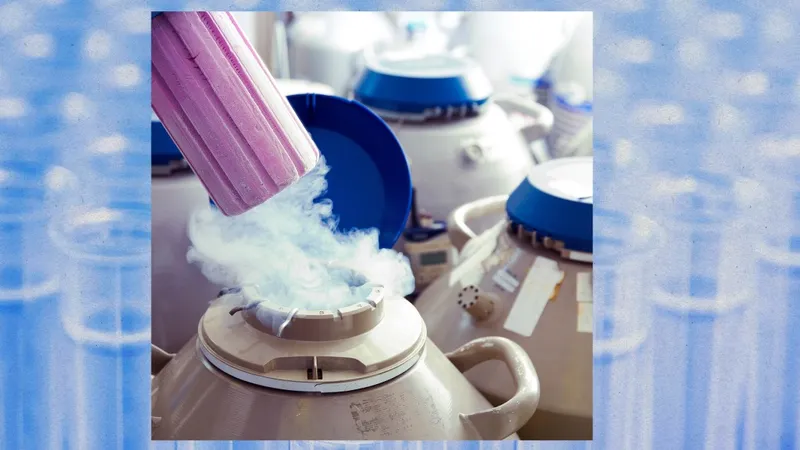 胚培養と凍結技術の革新
近年のテクノロジーの進歩により、出産方法と家族の形は劇的に変革しています。
IVF(体外受精)において、胚培養期間が数日から数週間に延長された結果、胚の健全性が高まり、出生率が向上しました。
また、急速凍結(Vitrification)技術の進化は、複数胚移植の必要性を減らし、多胎妊娠のリスクを大幅に低減しました。
さらに、長期培養と組み合わせた遺伝子検査の導入は、不妊治療という枠を超え、「生殖維持」という新たな機能を提供しています。
近年、生殖医療の分野で目覚ましい技術革新が進んでいます。多胎児の出生やロボットによる受精など、SFのような進展が報告される中、人工授精(IVF)をめぐる技術の進化は、単に治療法を変えただけでなく、家族の構造や生殖に関する選択肢そのものを大きく変えつつあります。
本記事では、生殖内分泌学の専門家であるアラン・ペンジアス氏へのインタビューを基に、IVFの技術がどのように進化し、私たちにどのような選択肢を与えているのかを解説します。
培養期間の延長による成功率向上
IVFの歴史は、胚を体外で培養する期間の延長と密接に関わっています。かつては、胚を2〜4細胞の段階で体内に移植するのが一般的でした。しかし、培養期間を3日、さらに5〜6日へと延ばす技術が開発されました。
胚がより長く生存できるようになったことで、培養期間が「ストレス試験」のような役割を果たすようになり、健康な赤ちゃんに成長する可能性が高まったとされています。成功率は、初期の12〜15%から、培養期間を長くしたグループでは25%まで向上したとのことです。これは、培養液などの培養環境の改善によって実現しました。
凍結技術の進化と安全性の確保
さらに大きな変化の一つが、胚を凍結・保存する技術の進歩です。特に「ビトリフィケーション」という急速凍結技術の導入が普及しました。
この技術により、胚の生存率が向上し、一度に複数の胚を移植する必要性が減りました。これにより、多胎児のリスクや妊娠合併症のリスクが低減されたとされています。また、IVFの初期段階でリスクがある「卵巣過剰刺激症候群(OHSS)」から回復するための時間的猶予が生まれるなど、安全面でも大きなメリットをもたらしています。
遺伝子検査と生殖選択肢の拡大
培養期間の延長と凍結技術の確立により、IVFは単なる不妊治療から「生殖機能の保存」という機能へと変化しました。クリニックは、最大1週間にわたって培養された胚から細胞の一部を採取し、遺伝子検査を行うことが可能になりました。
これにより、患者は胚を移植する前に、どの胚が健康な赤ちゃんになる可能性が高いのかという情報を得ることができます。さらに、卵子や胚を将来のために凍結しておくことで、ライフプランに合わせて妊娠を遅らせるという、より多様な生殖の選択肢を持つことが可能になっています。
今後の生殖医療の展望
IVFの技術革新は、私たちが「出産」や「家族」をどのように捉えるかという社会的な側面にも影響を及ぼしているようです。科学技術が個々の女性の生殖選択の自由を大きく高めていることは注目されます。今後も、より安全でパーソナライズされた生殖医療が進化していくと見られています。
原文の冒頭を表示(英語・3段落のみ)
In recent years, we’ve had reports of babies born with DNA from three people, babies born following “IVF on wheels,” babies born from decades-old embryos, and even babies “conceived” with the aid of a sperm-injecting robot.
The technology has also had a huge social impact. It has allowed for changes in the structure of families and provided more reproductive choices for would-be parents. So this week, let’s consider the technologies that have transformed babymaking. Alan Penzias, a reproductive endocrinologist at Boston IVF, has been working in IVF since the early 1990s. In those days, his lab at Yale would collect a person’s eggs, fertilize them, and culture any resulting embryos for two days, until the embryos had two or four cells.
The embryos couldn’t survive any longer outside a body, so they’d be transferred to the uterus at that point. All of them. Even if there were, say, five embryos in total. Typical healthy patients could expect a live birth rate of 12% to 15%, he says. Then Penzias heard that other teams were managing to culture embryos for three days. “We thought, No, that’s not possible,” he recalls. He learned that scientists had achieved this by tinkering with the culture medium—the nutrient-rich fluid the embryos are grown in. Those three-day embryos, which had around six to 10 cells, seemed to have a better chance of resulting in a live birth. The teams culturing embryos for longer saw their success rates climb to 25% among similar patient groups, says Penzias. Again, he couldn’t believe it. “We thought they were making it up,” he says. In the years since, teams have made more improvements to culture medium. Today, most IVF embryos are cultured for five or six days—a point at which they have 80 to 100 cells. The culturing process can act a little like a stress test—the embryos that make it to day six are generally more likely to go all the way and develop into a healthy baby. Over the same period, advances in other technologies have opened up the options for what we can do with those embryos. Scientists learned they were able to freeze embryos and use them at a later date. A little over a decade ago, clinics shifted to a “vitrification” approach that rapidly cools the embryos to a glassy state. Vitrified embryos are more likely to survive freezing and thawing, so this approach quickly caught on. As a result, doctors no longer needed to transfer multiple embryos at once. This made it less likely that patients would have twins or triplets, which can increase the risk of pregnancy complications. Vitrification has also made IVF safer in other ways, including by affording patients a bit of time between fertility treatments. The hormonal treatments used in the first phase of IVF are designed to increase the production of mature eggs that can be collected. These treatments carry a small risk of a condition called ovarian hyperstimulation syndrome (OHSS), which in rare cases can be life-threatening. The ability to freeze all your embryos and use them at a later date is thought to give the body a chance to recover from hormonal treatment and reduces the risk of OHSS. And because clinics are now able to culture embryos for up to a week, they can take a few of the 100 or so cells and send them for genetic testing before freezing the embryos. People undergoing IVF can get genetic readouts of all the embryos before deciding which to implant. (It is worth noting, however, that these testing technologies are not perfect.)
※ 著作権に配慮し、引用は冒頭3段落までです。続きは元記事をご覧ください。