自由な演奏と自動化ツールの功罪:創造性の限界を問う考察
 自動化が生む革新性の限界
筆者は、デジタルピアノの自動伴奏機能から、AIによる「Vibe-coding」のトレンドへと考察を広げている。
自動化ツールは手軽に優れた結果を出すが、特定のスタイルやムードにユーザーを強制し、表現の自由度を制限してしまう。
これは、AIがコードを生成する際に、ユーザーが深い思考やメカニカルな洞察を得る機会を奪う構造に似ている。
外部のベストプラクティスに依存しすぎると、自己の「内的なメンタルモデル」が育たず、根本的に効率的で革新的な解決策を生み出す能力が上限に達してしまうのだ。
真の成長と革新には、意図的な努力を伴う自由な取り組みが必要だと結論づけている。
自宅のデジタルピアノの自動演奏機能の体験から、AIによる開発手法「Vibe-coding」の限界について考察した記事が話題となっています。本記事は、手軽さから得られる「便利な結果」と、自力で深く追求することで得られる「創造的な成長」との対比を描き出しています。
自動演奏機能の功罪
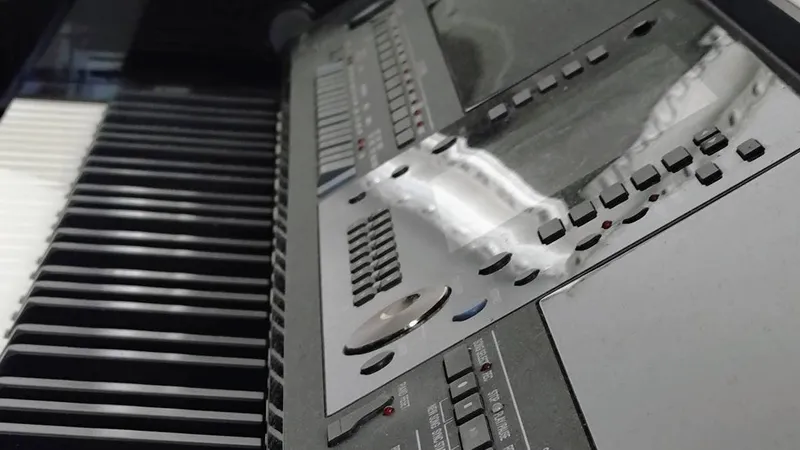
筆者は、デジタルピアノの自動演奏機能について言及しています。この機能を使えば、左手でコードを弾くだけで、パーカッションなどの伴奏が加わり、まるでバンド全体で演奏しているかのような豊かな音を少ない労力で得られるとのことです。しかし、この手軽さが逆に表現の幅を制限してしまうという問題点があるそうです。特定のスタイルやテンポ、ムードに強制されてしまうため、自己表現の限界が生まれていると述べています。
自律的な演奏から得られる価値
一方、ピアノを「自由に演奏する」ことには、最初はウォーミングアップが必要で労力がかかると感じられるものの、より大きなリターンがあるとしています。完全なコントロールによって、自身の心境や内面的な感情を音楽として表現できるようになるからです。この自由な演奏を続けるうちに、自身の演奏能力が飛躍的に向上し、音楽に対する革新的な発想や表現の幅が広がるという体験を共有しています。
AI時代における創造性の壁
筆者はこの経験を、AIモデルにコードを記述させる「Vibe-coding」という開発トレンドに重ねています。Vibe-codingは、少ない労力で目覚ましい成果をもたらす一方で、ユーザー自身がコードの構造やロジックを深く考える機会を奪ってしまうと指摘しています。これにより、より効率的で洗練された独自の解決策を自力で発見する機会が失われ、AIが持つ「ベストプラクティス」の範囲内に能力が制限されてしまう懸念が示されています。
まとめ
手軽なAIの恩恵を受けつつも、自らの手で深く試行錯誤し、技術や芸術を乗り越えるプロセスこそが、真の創造性と革新性を育む鍵となるという、深い洞察が示されています。
原文の冒頭を表示(英語・3段落のみ)
I have a digital piano at home with a lot of features for automatic playing. Apart from completely pre-recorded songs in MIDI-format that you can practice to, it can produce a full accompaniment, in a style you select, with a bunch of percussion and other instruments just based on a chord you take with the left hand. It really lets you as a single player play like a whole band.I have noticed a few things though, regarding the the modes I have when playing it with these helper features on, or when playing it freely as a normal piano.Playing with the accompaniments can be real fun and it can sound pretty good with little effort.But it also ultimately sets a limit of what I can express.It forces me into a particular style, tempo, temperament, and - most of all - mood, that I can not go beyond.Playing the piano freely will feel less rewarding at first, without some warm-up, such as half an our of finger exercises the day before I play.But it lets me express my mood and inner feeling in a completely different way. It allows the instrument to become an extension of my heart and mind as I do control it fully.It also eventually feels much more rewarding as I see my playing improve dramatically much more over time, when playing it freely, given some deliberate practice.I feel how I’m growing more capable of expressing myself, how I’m getting more free and capable of innovating with the music, in a way that never happens with the automatic playing.I have thought about this many times, and I think there are similarities between this experience and the Vibe-coding trend - letting AI models write the code for you, and increasingly also do the thinking and architecting of solutions.With Vibe-coding you can get a lot of impressive results with little effort.But you don’t let the code you write become part of your own inner mental models, for which your mind can ponder upon over days to find cleaner, more robust solutions that do things more correctly with less code and less energy spent executing. You don’t develop your mechanical sympathy for neither the code nor the execution of it.This ultimately puts a cap your ability to innovate. You are capped by the best practices coded into the LLM model you use. You are cutting yourself off from those moments where you finally see how you could reduce your code by 10 times to get a 10 times more efficient, maintainable, understandable and performant solution.I’m extremely hesitant to cut myself off of the benefits of being able to innovate beyond what is already best practice.— Samuel (X, Bsky, Mstdn)No posts
※ 著作権に配慮し、引用は冒頭3段落までです。続きは元記事をご覧ください。