LLMが明らかにする、極端に低い水準とさらなる低下の可能性
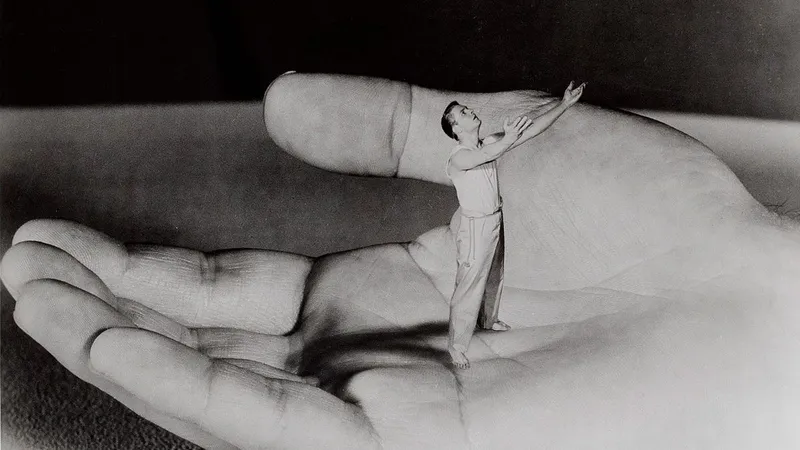 LLMによる基準の崩壊
大規模言語モデル(LLM)を巡る一連のスキャンダルは、文学や出版、学術研究といった様々な分野において、元々水準が極端に低かったことを示している。
AI生成の文章が文学賞を受賞したり、著者がAI編集を読み飛ばしたりする事例が確認されている。
また、学術分野では、LLM利用がfake citation(偽の引用)の横行を加速させ、データの正確性に対する責任が問われている。
筆者は、こうした問題はAIが既存の低水準をさらに下げることで顕著になっていると指摘している。
生成AI(LLM)が普及する中で、技術の進化以上に問題視されているのが「基準の低下」という現象です。最近、文学賞の受賞作品がAI生成疑惑で波紋を呼んだり、著者自身が著作の誤りをチェックしなかったというスキャンダルが相次いでいます。本記事では、これらの事例から、現代社会における「最低限の品質基準」がどこまで下がってしまっているのかを解説します。
AI生成疑惑と文学の基準
ある国際的な文学賞の受賞作が、AIによって生成された可能性が指摘されています。この作品は、文法的には成立しているものの、意味不明な比喩や不整合な表現が多用されているとされています。AIが生成した文章が、審査員に「叙情的な精度」として評価されてしまうという事態は、AIの能力の問題というよりも、そもそも作品の品質に対する評価基準がどこにあるのかという根本的な問いを投げかけています。質の低い文章が賞を獲得できる現状は、AIのせいだけではないと指摘されています。
著者による自己チェックの欠如
AIスキャンダル以外にも、著者が自身の著作の品質管理を怠る事例が相次いでいます。例えば、あるノンフィクション作家が自身の著書に「誤って引用された、あるいは捏造された引用」を多数含んでいたにもかかわらず、それをチェックしなかったという報道があります。また、自己出版から大手出版社への再出版の際、編集者が行った広範な修正を著者が確認しなかったというケースもあります。これらの事例は、「自分の名前を冠した作品には責任を持つ」という最低限のプロフェッショナルな姿勢が欠如している現状を浮き彫りにしています。
学術界における信頼性の危機
学術分野においても、LLMの利用に伴う信頼性の問題が深刻化しています。オープンアクセス論文のアーカイブ(ArXiv)は、AIによる偽の引用(フェイク・シテーション)を含む論文の提出者に対し、1年間の利用停止処分を出す方針を打ち出しました。これは、AI利用そのものを禁止するのではなく、研究者が自身の作品の正確性に対して責任を持つべきだという考えに基づいています。しかし、この動きは、引用元をチェックする、自分の仕事に責任を持つといった基本的な学術的規範が、現代では「達成不可能な基準」と見なされつつある現実を象徴しています。
まとめ
これらのスキャンダルは、AIがどれだけ進化しても、社会全体で共有される「最低限の品質基準」が低下しているという構造的な問題を浮き彫りにしています。単にAIのせいにするのではなく、各分野における責任感や規範意識の再構築が求められている状況です。
原文の冒頭を表示(英語・3段落のみ)
The Incredible Shrinking Man (1957)For all of the truckloads of money and advanced technology behind LLMs, their primary achievement so far may be in revealing how low the bar is in seemingly every field. The various LLM/AI scandals this week are good evidence of that. Let me do a little recap. If you subscribe to this newsletter, then you likely already know the big literary one: Granta magazine published a story that is seemingly AI-generated from an author with a seemingly AI-generated author photo whose social media profiles are full of AI hype. The story “The Serpent in the Grove,” attributed to Jamir Nazir, was on of the regional winners of the 2026 Commonwealth Short Story Prize selected by the Commonwealth Foundation. (Granta has responded by saying they asked the LLM Claude whether the story was written by AI—Claude said “almost certainly” involved AI—and that they were keeping the story online until Commonwealth Foundation finished its investigation.) I’m inclined to believe the story is AI-generated because it is filled with the sort of literally nonsensical metaphors that LLMs often produce. It reads quite similarly to the viral OpenAI metafiction story. But it’s also true that humans also write nonsense prose full of incoherent metaphors. The real question is perhaps not how an AI story could slip past judges but how a story this poorly written could win an award for its “lyrical precision.” It’s easy to make fun of the word salad sentences in this story and, well, I’m going to. We might as well have a few laughs while the slop flood drowns us. The story has many other issues, from incoherent narrative to language that’s inaccurate for the setting, but I’ll focus on the alleged “lyrical precision” that impressed the judges:If you ask him, he shrugs the way men shrug when feeling places a hand on the neck and says be still.Classic kind of shrug. I’m always shrugging when feeling grabs my neck and says “be still!” Which feeling? Who knows? Any of them, I guess. In the hot hush, the grove held its breath and released it – small and entire, like a last stitch drawn through a wound that had finally decided to close.This is seemingly the emotional climax of the story (to the degree it even is a “story”), and honestly one of the most confused sentences I’ve ever read. How many metaphors are mixed here? The grove of trees releases breath like a last stitch through a wound that is still being stitched even though it “decided” to close itself. Got it. They called her Zoongie. Maybe it was a name; maybe rain took a shape and decided to keep it. She had the kind of walking that made benches become men. Ladies, you may be sexy, but are you sexy enough to give benches boners? And is your name rain in a shape? You can read the whole thing if you enjoy this kind of prose. Sadly, I must admit many do. When I wrote about the OpenAI story’s sentences not carrying any meaning, I experienced some pushback from readers who said, basically, “who cares if sentences mean anything?” They admitted the metaphors were mixed, the images made no sense, and the sentences were unintelligible. They just didn’t care. Obviously, the judges of this prize didn’t care either. If a story this poorly written can win an award, the issue isn’t AI. Again, humans write word goop too. The issue is a lack of standards. Not just in literary publishing, as I’ve seen some try to claim. Remember the recent Shy Girl scandal was about a self-published book that was repackaged by a big publisher as commercial genre fiction.One aspect of Shy Girls that has stuck with me is the defense from author Mia Ballard. Ballard claimed she hired an acquaintance to edit her book who likely used AI. She noticed the editor “changed a lot of the wording” but said she didn’t have time to read through the book and see what edits were made before publishing it. (Apparently, she didn’t have any time to read her own book in the many months between self-publishing it and republishing it with Hachette either). Put aside the question of AI, as well as whether this mysterious acquaintance exists: Ballard’s defense is she blindly accepted extensive edits without even reading them! And plenty of people find this defense acceptable. How low are the standards that “I couldn’t be bothered to read the novel I put my name on” is a defense at all? That should be a scandal in itself. Here’s another publishing AI scandal in the same “Hey now, am I really supposed to read my own work?” vein: This New York Times headline says it all. An author of a non-fiction book called The Future of Truth couldn’t be bothered to check the truth of his own book. The book was published with “misattributed and invented quotes […] throughout.” He’s launching an “investigation” into how he was so lazy. The same low standards are being revealed all over the place. Over in academia, a lot of academics—mostly, it seems, economists—have been furious that people expect them to actually read the works they cite. ArXiv, an open-access archive of scholarly articles, announced it would ban users for one year if they submitted work with obvious LLM errors such as fake citations. The policy didn’t say that scholars had to avoid using LLMs entirely, only that they were responsible for the accuracy of the work that they put their name on.The stuff that we were long told was the bare minimum—read your sources, check your work, know you are responsible for anything you put your name on—is now framed as an impossible standard that few could meet. So, I have a hard time not admitting the slop defenders might be right. It probably is true that many academic papers have fake citations. I would not be shocked if non-fiction books often contain quotation errors. Many works are published, sometimes to sales or acclaim, that are full of meaningless sentences. These AI scandals may indeed be revealing low standards that exist in various fields. This doesn’t, however, mean that standards aren’t lowering even more thanks to AI. LLMs simply make it easier to cut corners and introduce these types of errors. Citation errors may have always existed, but how common was it to “hallucinate” entire articles and journals? Yes, some students have always cheated or cut corners. That doesn’t mean it isn’t dangerous when many, perhaps most, students are cutting every possible corner. I don’t know how this all sorts itself out. Perhaps a silver lining will be that some institutions and individuals will rediscover the concept of standards, even if just as a change of pace. My new novel Metallic Realms is out in stores! Reviews have called the book “brilliant” (Esquire), “riveting” (Publishers Weekly), “hilariously clever” (Elle), “a total blast” (Chicago Tribune), “unrelentingly smart and inventive” (Locus), and “just plain wonderful” (Booklist). My previous books are the science fiction noir novel The Body Scout and the genre-bending story collection Upright Beasts. If you enjoy this newsletter, perhaps you’ll enjoy one or more of those books too.
※ 著作権に配慮し、引用は冒頭3段落までです。続きは元記事をご覧ください。