コーヒーのルーツ:モカの歴史
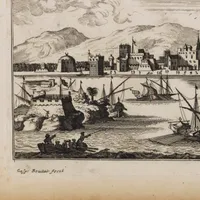
19世紀末のイギリスで人気を博したミュージカル「モカのサルタン」は、コーヒーの産地であるモカ(モカ、またはムカ)という地名に由来する。
モカは当時のコーヒー貿易における重要な拠点であり、イギリスでは異国情緒あふれる舞台設定として利用された。
この地名は、ヴィクトリア朝時代の想像力の中で、富と神秘に満ちたスルタンが奴隷やハーレムを抱く場所として認識されていた。
記事は、ミュージカルの背景にあるモカの歴史的意義と、世界のコーヒー貿易におけるその重要性に焦点を当てている。
コーヒーのフレーバーとして知られる「モカ」ですが、この地名には、19世紀のイギリスの文化やグローバルな貿易史が深く関わっています。今回取り上げるのは、19世紀後半に流行したミュージカル『モカのスルタン』です。この作品の舞台となった「モカ」という港町が、単なる異国情緒の背景以上の、重要な歴史的意味を持っていたことが分かります。
ミュージカル『モカのスルタン』の概要
『モカのスルタン』は、19世紀後半のイギリスで上演されたコミックオペラです。物語は、主人公のドリーという女性が愛を求めて世界を旅する様子を描いています。ドリーは奴隷貿易を行う叔父に連れられ、エキゾチックなアラブの港町モカに連れて行かれます。彼女はスルタンのハーレムに買われますが、脱走し、愛するピーターの自由を確保するために戻るという展開になります。この作品は世界的にツアーを行い、大きなヒットを記録したとのことです。
ヴィクトリア朝の「モカ」像
当時のイギリスの劇作家たちは、モカを異国情緒あふれるファンタジーの世界として設定しました。ヴィクトリア朝の想像の中では、モカは裕福で謎めいたスルタンが奴隷軍団や女性のハーレムを支配するアラブ世界の象徴的な場所でした。ミュージカルのスケッチからは、華やかで楽しい夜の様子がうかがえますが、同時に、当時の文化やジェンダーに関する古いステレオタイプを反映している可能性も指摘されています。
モカの歴史的・経済的意義
筆者は、コーヒーに関するニュースレター執筆中に、モカ(Mokha/Moka)の歴史に興味を抱きました。モカは、世界的なコーヒー貿易における初期の重要な拠点の一つであり、現在私たちが「モカ」という飲み物の名前を得た由来となった場所です。単なる舞台設定の地名ではなく、グローバルな経済活動の黎明期において極めて重要な役割を果たしていたことがわかります。
結論
『モカのスルタン』は、モカを異国的な背景として利用したエンターテイメント作品です。しかし、モカという地名自体は、コーヒーという商品を通じて世界を結びつけた、歴史的・経済的に極めて重要な港町だったのです。文化的なイメージと実態には大きな隔たりがあると言えるでしょう。
原文の冒頭を表示(英語・3段落のみ)
The Sultan of Mocha is a pretty typical British musical of the late 1800s. Billed as a “comic opera,” it follows a woman named Dolly as she travels the world and looks for love. The plot is overstuffed, but here are the essentials: an Englishwoman named Dolly is taken by her slave-trading uncle halfway around the world to Mocha, an exotic Arab port. The Sultan of Mocha buys her for his harem; she escapes and then agrees to go back to secure the freedom of Peter, the man she loves. Dolly tricks the sultan into marrying someone else and, after singing about it a bunch, escapes with Peter to live happily ever after. Sketches from the productions make it seem like a fun night out, even if it probably reflects some dated cultural and gender stereotypes:The play was a big hit; it toured the world. I like this old program for the show. It seems that somebody wrote themselves a note at the top so they wouldn’t forget to bring flowers to one of the performers:Honestly, I’m pretty allergic to musical theater, and I don’t have much of an interest in this particular play. But, while writing this weekend’s newsletter on coffee, I did become intrigued by the history of Mocha (or Mokha, or Moka), one of the key early nodes in the global coffee trade (it’s where we get the name for the drink). Mocha was well-known enough in late 19th-century England that playwrights thought it would be a good place to set an exotic romp in a fantasy version of the Arab world. It was the kind of place where, in the Victorian imagination, wealthy and mysterious sultans would rule over armies of slaves and harems of women. But what was Mocha really like, and what was its significance in global trade?
※ 著作権に配慮し、引用は冒頭3段落までです。続きは元記事をご覧ください。