PostHog Code:プロダクトの利用状況に基づいたAIコーディングツール
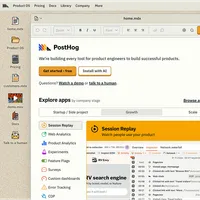
PostHog Codeは、従来のAIコーディングツールがコードベースのみを参考にすることに対し、実際のプロダクト利用データ(エラーログ、セッションレコーディング、イベント計測など)を活用して問題を診断し、自動でプルリクエストを生成するツールです。
ローカルまたはクラウドで利用でき、OpenAIやAnthropicのLLMに対応しています。
機能としては、複数のコーディングエージェントの同時管理や、新機能の開発におけるPostHogのインストゥルメンテーション自動化などが可能です。
2026年春にリリース予定で、現在、参加表明を受け付けています。
プロダクト開発におけるAIコーディングツールの進化が注目されています。PostHogは、単にコードを生成するだけでなく、実際のプロダクト利用データに基づき、問題の診断から修正コードの提案までを行う「PostHog Code」を発表しました。これは、AIがプロダクトの文脈を深く理解して開発を支援するという、新しいアプローチです。
プロダクトデータに基づくAIの活用
従来のAIコーディングツールは、コードベース自体を「真実の源泉」として扱いがちでした。しかし、PostHog Codeは、インアプリアクティビティ、エラーログ、決済情報、セッション録画といった実際のプロダクト利用データ(シグナル)をAIのインプットとして利用します。これにより、AIは「人間やエージェントが実際にプロダクトをどのように使っているか」という文脈を把握し、問題の診断や修正プルリクエストの生成を、問題が顕在化する前に実行できると説明しています。
開発プロセスを自動化する機能群
PostHog Codeは、AIエージェントの管理や並列実行、画面分割による監視など、開発者が求める高度な機能を提供します。さらに、新しい機能を開発する際に、PostHogの計測機能(Instrumentation)を自動で組み込むため、変更の影響を段階的に監視しながらロールアウトすることが可能です。エラー追跡やA/Bテスト(Experiment)の雛形作成もサポートし、開発の効率化を徹底しています。
多様なLLMと外部サービスとの連携
本ツールは、OpenAIやAnthropicなど、開発者が既に利用している多様な大規模言語モデル(LLM)上で動作します。また、Linear、Slack、GitHubといった開発ツールはもちろん、StripeやSalesforce、Zendeskといった外部のビジネスシステムとの連携も強化されています。これにより、AIエージェントは、顧客情報や請求情報、実際のバグ情報といった豊富なコンテキストを把握した上で、より精度の高い開発支援を行えるようになっています。
まとめ
PostHog Codeは、単なるコード生成AIではなく、プロダクトの「利用実態」を理解した上で開発を支援する、高度なAI開発パートナーとなることを目指しています。2026年春のローンチが予定されており、今後のプロダクト開発のあり方を大きく変える可能性を秘めていると見られています。
原文の冒頭を表示(英語・3段落のみ)
The old way to build with AIMost AI code editors lack context and wait for you to tell them what to Build ↵.They use your <codebase /> as the source of truth, not how humans (or agents) actually use your product.The PostHog waySignalsIn-app activityLogsErrorsPaymentsSession recordingsTracesFunnel dropoffFeature flagsExperiment resultsInternal threadsSupport ticketsBacklogTranscriptions PostHog Code uses signals from ● production data to diagnose issues and generate pull requests to fix them —before you even know there's a problem.Run it locally or in the cloud — either way, it automatically uses the right AI model for the job.TL;DR: There are plenty of AI coding tools, but only one that knows your product like PostHog Code.Everything you'd expect in an AI coding tool, but way more...Manage multiple coding agents in parallelSplit screen presets let you monitor agents side-by-side or in a 2x2 or 3x3 grid.Automatic PostHog instrumentationPostHog Code automatically builds new features with the proper PostHog instrumentation so you can progressively roll out changes and monitor their impact.Event instrumentationTracks new features and changes to existing features as they're builtError trackingConfigures exception capture so new code surfaces in PostHog with stack tracesFeature flags & rollout conditionsCreates the flag, implements isFeatureEnabled, and configures staged rollout conditionsExperimentsScaffolds variants, split, and goal metricsSupported LLMsPostHog Code runs on the same models you already use — no markup.OpenAIGPT-5.5GPT-5.4AnthropicClaude Sonnet 4.6Claude Opus 4.7Claude Haiku 4.5IntegrationsLinearSlackGitHubGranolaZendeskMCP supportManage MCP servers for your AI agents. Connect external services to extend your agent's capabilities.AttioManage Attio CRM contacts, companies, and deals.HubSpotSync contacts, companies, and marketing lifecycle for richer agent context.StripeLook up customers, subscriptions, and invoices from billing.SalesforceQuery accounts, opportunities, and CRM records your agents need in context.SentryPull issues, releases, and stack traces so agents debug against real errors.Try itPostHog Code is launching in Spring 2026. Join the waitlist to be the first to try it.FAQ
※ 著作権に配慮し、引用は冒頭3段落までです。続きは元記事をご覧ください。