イランのインターネット遮断を回避するStarlink技術の密輸
編集部が Musk 本線との関連を確認したうえで公開しています。方針は編集方針。
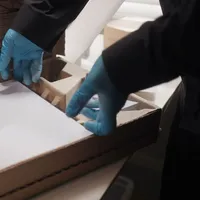
イラン政府によるインターネット遮断を受け、海外在住者らがStarlink端末を密輸し、国内に供給する活動が行われています。
StarlinkはSpaceX社の衛星を利用したインターネットサービスで、イランの検閲を回避できます。
当局はStarlink端末の所持や使用を厳しく取り締まっていますが、情報へのアクセスを求める人々によって、その数は増加しており、VPNとの併用などの対策も講じられています。
この活動は、イラン国内の状況を国際的に共有し、変化を促すために重要な役割を果たしています。
イランで政府によるインターネット遮断が長期化する中、衛星インターネットサービス「Starlink(スターリンク)」を密輸するネットワークが活発化していることが明らかになりました。政府は治安維持を理由に通信を制限していますが、市民は情報へのアクセスを求めて、違法な手段でこの技術を国内に持ち込んでいるとのことです。
長期化するインターネット遮断の背景
イランでは、2023年2月以降、政府が国内のインターネットを長期にわたり遮断しています。これは、米英イスラエルなどが関与したとされる軍事行動がきっかけとされています。政府は、監視やスパイ活動を防ぐための措置だと説明していますが、これにより市民は体制側のメディアに依存せざるを得ない状況に置かれています。
以前の遮断時(1月)には、大規模な抗議活動が発生し、多数の死傷者や逮捕者が出た経緯があります。この情報統制は、イランの体制が自国のプロパガンダを広め、批判的な報道を抑圧するための手段として機能していると見られています。
Starlinkが提供する情報アクセスの手段
密輸されるStarlink端末は、イーロン・マスク氏のSpaceX社が所有する衛星ネットワークを利用し、イラン国内の厳しく管理されたインターネットを完全に迂回できるため、最も信頼性の高い情報入手手段の一つとなっています。この端末は、複数のユーザーが同時に接続できる特徴があります。
国内では、銀行や配車サービスなどが利用できる「階層的なシステム」が敷かれていますが、Starlinkを使えば、InstagramやYouTubeといったグローバルな情報源にアクセスすることが可能です。活動家たちは、この技術が人権侵害の証拠や抗議活動の情報を外部に流す上で不可欠だと指摘しています。
密輸ネットワークと政府の取り締まり
密輸に関わる人々は、国境を越えて非常に複雑な作戦で端末を運び入れています。彼らは、国外の支援者やイラン国内の協力者から資金を得て活動しているとのことです。
しかし、イラン政府はStarlinkの利用や取引を厳しく取り締まっています。昨年、関連法規が制定され、端末の輸入や販売は最大で懲役10年という重い罰則の対象となっています。当局は、密輸に関わる人々を逮捕し、違法武器所持などの容疑で起訴している事例も報告されています。
結論
イランにおけるStarlinkの密輸は、情報統制が極限に達した社会における、市民による自由への切実な抵抗の形と言えます。政府の厳しい監視下で、人々はリスクを冒しながらも、外部の情報にアクセスしようと試みている状況です。
原文の冒頭を表示(英語・3段落のみ)
3 hours agoReha KansaraBBC Global Disinformation UnitBBCSahand packs a Starlink terminal he is preparing to send to Iran"If even one extra person is able to access the internet, I think it's successful and it's worth it," says Sahand.The Iranian man is visibly anxious, speaking to the BBC outside Iran, as he carefully explains how he is part of a clandestine network smuggling satellite internet technology - which is illegal in Iran - into the country.Sahand, whose name we have changed, fears for family members and other contacts inside the country. "If I was identified by the Iranian regime, they might make those I'm in touch with in Iran pay the price," he says.For more than two months, Iran has been in digital darkness as the government maintains one of the longest-running national internet shutdowns ever recorded worldwide.The current blackout began after the US and Israel launched airstrikes on 28 February. Before that, internet access had been partially restored for just a month following a previous digital shutdown in January, imposed during a deadly regime crackdown on nationwide protests. More than 6,500 protesters were killed and 53,000 arrested, according to the US-based Human Rights Activists News Agency (HRANA).Officials say the government shut down the internet during the war for security reasons, suggesting the aim is to prevent surveillance, espionage and cyber-attacks.AFP via Getty ImagesWithout access to independent information sources, Iranians are reliant on media sources that are run by the regime or close to itThe Starlink devices Sahand sends to Iran are one of the most reliable ways of bypassing the shutdown. The white, flat terminals, paired with routers, provide internet access by connecting to a network of satellites owned by Elon Musk's SpaceX company, allowing users to completely bypass Iran's heavily controlled domestic internet.According to Sahand, several people can connect to each terminal at the same time.He says he and others in the network buy them and "smuggle them through the borders" in a "very complex operation", though he declines to give details.Sahand says he has sent a dozen to Iran since January and "we are actively looking for other ways to smuggle in more".The human rights organisation Witness estimated in January that there are at least 50,000 Starlink terminals in Iran. Activists say the number is likely to have risen. The BBC contacted SpaceX for more details about the use of Starlink in the country but did not receive a response.Last year, the Iranian government passed legislation that made using, buying or selling Starlink devices punishable by up to two years in prison. The jail term for distributing or importing more than 10 devices can be up to 10 years.State-affiliated media has reported multiple cases of people being arrested for selling and buying Starlink terminals, including four people - two of them foreign nationals - arrested last month for "importing satellite internet equipment". It has also reported that some of the arrests include accusations of possessing illegal weapons and sending information to the enemy.SOPA Images/LightRocket via Getty ImagesProtesters in London have joined calls for unrestricted internet access in IranHowever, a market for the terminals in Iran continues, including through a public Persian-language Telegram channel called NasNet.A volunteer involved with the channel from outside Iran told the BBC that approximately 5,000 Starlink terminals have been sold through it in the past two and a half years.Iran has a long history of controlling information, both by pushing its own anti-American and anti-Israeli narratives via state-run media and by restricting reporting about repressive measures used by the regime against its critics.Yet during the January protests, even with the internet shut down, reports and video evidence of extrajudicial killings, arrests and beatings trickled out. Much of this information is known or believed by human rights organisations to have come from people accessing social media platforms via Starlink.Iran's current internet set-up has been described as a "tiered system".All Iranians have access to a state-controlled domestic network on which services such as banking, ride-hailing and food delivery operate, as well as state-run media.Before the blackouts, Iranians were also able to access the global internet. But many sites and services such as Instagram, Telegram, YouTube and WhatsApp were blocked, and the government set higher prices for access than for the domestic network.Many Iranians circumvented the restrictions by using virtual private networks (VPNs), which connect users to websites via remote servers, concealing their locations. Subscriptions for these also pushed up costs.Now, under the blackout, only a select few officials and other individuals, including journalists working for state media, have unfettered internet access using what are known as "white sim cards".Getty ImagesSatellites owned by SpaceX - carried here by a Falcon 9 rocket over California - are used to provide Starlink internetIn 2022, Musk said he was activating Starlink in Iran following severe internet disruptions during protests sparked by the death in custody of an Iranian woman, Mahsa Amini.Since then its use has grown, especially during shutdowns.Now, with the authorities increasingly on the hunt for Starlink terminals, Sahand and his network are advising users to use VPNs with the satellite technology in order to remain incognito. But many people cannot afford it, particularly at a time of economic crisis.Sahand is one of three people the BBC has spoken to who say they are involved in smuggling Starlink devices.He says the operation he is involved with, including the purchase of the terminals, is funded by Iranians abroad and others who want to help those in the country. He says they do not receive funds from any states.The terminals are sent to individuals they believe will use them to share information internationally."People need internet to be able to share what's happening on the ground," says Sahand. "We believe these terminals should be in the hands of those who really need it to make change."EPA/ShutterstockUS and Israeli airstrikes on Iran continued as the internet shutdown took effectA digital rights group, which asked not to be named, told the BBC it estimates at least 100 people have been arrested for possession of the terminals.Sahand says he also knows people who have been arrested for accessing or owning one - none of them procured the device through him.Yasmin, an American-Iranian whose name we have also changed, has told the BBC a male member of her family has been arrested in Iran and accused of espionage for possessing a Starlink terminal.The BBC asked the Iranian embassy in London why only a few people are allowed access to the internet in Iran and why penalties for using Starlink are so severe, but received no response.The Iranian government has, however, admitted the shutdown has hit some businesses hard, with a minister saying in January that every day of internet blackout cost the economy at least 50 trillion rials ($35m; £28m).It recently launched a scheme called "Internet Pro", which allows certain businesses some access to the global internet.One man who works for a company in Iran has told the BBC he has been given access via the initiative.Government spokesperson Fatemeh Mohajerani said the intention was "to maintain business connectivity during the crisis". She also said the government was "completely opposed to communication injustice" and once the situation returns to normal "the situation of the Internet will also change"."Communications blackouts are a clear violation of human rights and they can never be justified," Marwa Fatafta, regional policy and advocacy director at Access Now, a digital rights group, told the BBC World Service, ahead of World Press Freedom Day on 3 May.She warns that internet blackouts are becoming a "new norm". According to Access Now, there were 313 of them across 52 countries in 2025, the highest number globally since it began tracking them in 2016.The executive director for the Abdorrahman Boroumand Centre for Human Rights, Roya Boroumand, says that an information vacuum in Iran "allows the state to broadcast its narrative, ie portray protesters as violent actors or foreign agents, while its victims, including those sentenced to death, and informed sources are silenced".This is a major motivation for Sahand."The Iranian regime has proven that during a shutdown, they can kill," he says. "It is super crucial for Iranians to be able to portray the real picture of the situation on the ground."He says those who voluntarily sign up to help with the smuggling "are aware of the risk". But he adds "it's a fight" and "we feel somehow we have to intervene and help".
※ 著作権に配慮し、引用は冒頭3段落までです。続きは元記事をご覧ください。