AIを悪用した詐欺が急増、被害額は1.3兆円超
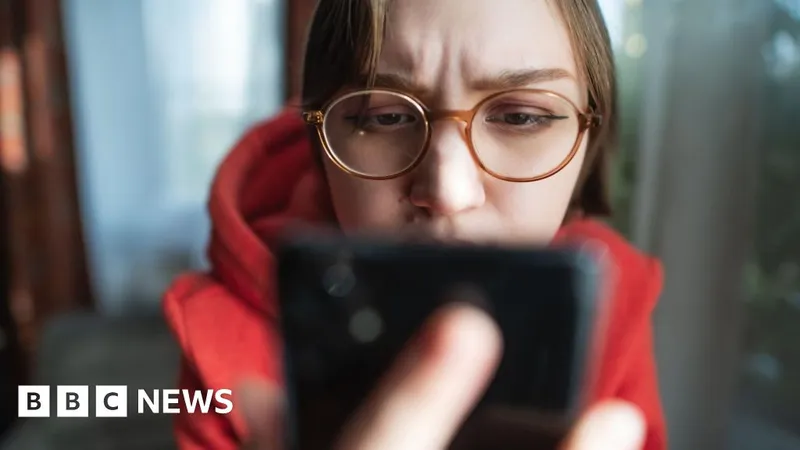 英国でAIを使った詐欺が増加
英国の金融機関UK Financeの報告によると、2025年にAIを悪用した詐欺で約130億ポンド(1.3兆円)以上の被害が出た。
昨年は11%の増加に加え、40%の増加も見られ、特に投資や購入を装った詐欺が急増している。
AIを使用した偽造プロフィールや音声を使い、巧妙な手口で被害者を騙す例が相次いでいる。
英国で詐欺の被害件数が急増していることが明らかになり、犯罪者がAIを活用して被害者を操作していることが分かった。
AIを活用した詐欺の拡大
英国の金融機関が発表した年次報告書によると、昨年は410万件以上の詐欺被害が報告され、年間で約130億ポンドが詐欺師に奪われた。これは2年前と比較して100万件以上増加しており、AIを活用した犯罪が深刻化していることを示している。
新たな詐欺手法の登場
犯罪者はAIを用いて、有名人物や被害者の家族・友人を模倣した声を生成し、被害者をだまそうとする。こうした技術により、詐欺がより大規模に広がり、被害者が気づかないうちに金銭を失うケースが増加している。
金融機関の対応と課題
金融機関は、詐欺が国家的な安全上の脅威であると指摘し、テック企業にプラットフォームの監視やセキュリティ強化を求める。しかし、専門家は多くの詐欺が未報告のため、統計に反映されない可能性があると指摘している。
まとめ
AIを活用した詐欺の増加は深刻な課題であり、被害者を守るためには技術企業と金融機関の連携が不可欠である。今後の対策が注目される。
原文の冒頭を表示(英語・3段落のみ)
4 hours agoKevin PeacheyCost of living correspondentGetty ImagesCases of fraud in the UK have surged with criminals using AI to manipulate people and even marrying victims of romance scams to steal more money.More than four million cases in which money was lost were reported last year - the equivalent of nearly eight on average every minute, according to new figures.The total has increased by more than one million in two years, with almost £1.3bn stolen by scammers in 2025, according to an annual report by UK Finance.The enormous scale of the problem could only be tackled if tech companies stepped up monitoring and security of their platforms, the banking trade body said.Banks said fraud posed "a national security threat" given the impact on victims and the huge sums stolen by organised criminals.The report, compiled from banking data and the most comprehensive assessment of fraud losses in the UK, reveals:A total of 4.1 million cases of fraud in which money was stolen last year - up 11% on a year earlier, and a 31% rise on 2023Losses to investment scams soared by 40% in a year, to a new record highPurchase scams, in which criminals use stolen card details to buy something online, were up to new record levels Fraudsters also use fake profiles on social media and dating sites to meet, groom and ultimately steal from victims who believe they are in a loving relationship.UK Finance said examples even included a fraudster marrying a victim to continue stealing money."The impact goes beyond financial loss; it can cause huge emotional harm, leaving victims burdened by guilt and shame, which is why we must tackle the problem at its source to protect consumers," said Paul Davis, head of economic crime at Barclays. Experts believe the majority of scams are unreported, so do not even register in the statistics.Kirsty was manipulated and scammedShe spotted the problem before being tricked, but many thousands of others were not so lucky.Kirsty Guest, a florist from North Yorkshire, was scammed out of £80,000 after meeting a man on a dating app, who called himself Patrick. The relationship developed over months, but was based on a lie, because "Patrick" was a scammer using photos of another, completely innocent, man.After claiming he had been in an accident on a work trip, he tricked Kirsty into sending thousands of pounds which was then stolen. "[Fraudsters] are professional and they are making massive volumes of money," she told the BBC in May. "They're intelligent in what they're doing."New techniquesBanks say that criminals are engaging in more sophisticated fraud at greater volume with the use of artificial intelligence (AI).Criminals have used AI to mimic the voices of celebrities, and even those of the victims' family and friends, which has enabled them to carry out the crime at a greater scale. As a result, people were more susceptible to being scammed - something that often happened at a vulnerable moment, even if the victim did not consider themselves vulnerable to being tricked."One click and you can lose your life savings," said Ruth Ray, managing director of economic crime at UK Finance."The financial sector invests huge amounts in protecting customers, but we cannot be the only line of defence."She said "stronger, enforceable responsibilities" needed to be placed on tech platforms like social media channels and online marketplaces. This could include stronger rules over removing fraudulent advertising, or verification of sellers and secure payment systems.Criminals have been adapting their tactics, with experts predicting a surge in scams related to the men's football World Cup in the coming days and weeks.Data shows a few types of scams fell away last year, such as an 11% drop in impersonation fraud, where criminals pose as a bank, the police or an organisation to convince victims to transfer money to a "safe account".
※ 著作権に配慮し、引用は冒頭3段落までです。続きは元記事をご覧ください。