深海科学と軍事チャットボットの動向
 深海資源とAI軍事利用
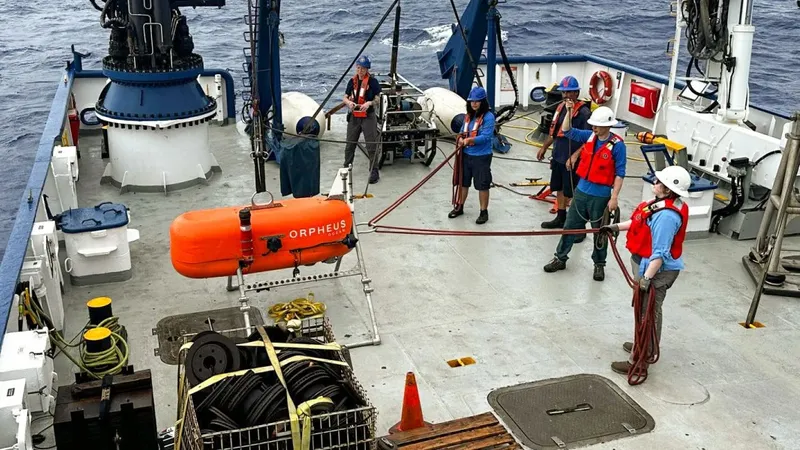
安価な自律型潜水機が深海における重要鉱物探査や科学調査を可能にしているが、深海採掘の増加により環境への懸念が強まっている。
一方、会話型AIは軍事的な作戦室に導入され、単なる分析以上の戦略的な「助言」を提供する段階に入りつつある。
このAIの進展は、エラー発生リスクや透明性の欠如、ビッグテックによる情報支配といった深刻な懸念を引き起こしている。
また、AI技術は深海探査や軍事利用にとどまらず、金融分野など幅広い産業でのエージェント開発を加速させている。
海底探査機による深海資源の探査と、AIを搭載した軍事用チャットボットの活用が、現代のテクノロジー分野で注目を集めています。環境問題と安全保障という異なる側面から、最先端技術が社会に与える影響が議論されています。
深海探査機と資源開発の課題
オプテウス・オーシャン社が開発した小型の海底探査機が、太平洋の深海(水深約6,000メートル)で活動を開始しました。これらの探査機は、これまで研究が手薄だった深海域の海底をマッピングし、重要な鉱物資源の有無を調査する目的です。既存システムに比べ格段に低コストで深海調査が可能になる一方で、深海採掘を狙う企業も参入しており、環境への影響が懸念されています。
AIが変える軍事作戦のあり方
AI技術は、軍事分野においても大きな変化をもたらしています。米国の防衛関係者によると、将校がAIアドバイスエンジンに潜在的な目標リストを提示し、どの目標を最初に攻撃するかを判断するのに利用する可能性があるとのことです。中国も同様のツールを開発しています。しかし、AIが生成するエラーや透明性の欠如、巨大テック企業が情報に与える影響力増大などが懸念されています。
AI競争と技術覇権の構図
AI分野では、巨大企業間の競争が激化しています。Anthropic社がGoogleのクラウドやチップに2000億ドルを投資する計画や、DeepSeek社が450億ドル近い評価額に近づいていることが報じられています。これは、NvidiaやOpenAIといった既存の勢力に対抗し、中国が独自のAI技術基盤を構築しようとする動きの一環と見られています。
結論
深海資源の探査や軍事AIの導入など、最先端技術は人類の活動領域を拡大させています。一方で、環境破壊やAIの倫理的な問題といった、技術の進歩に伴う深刻な課題への対応が求められています。
原文の冒頭を表示(英語・3段落のみ)
Plus: Elon Musk pushed OpenAI to go commercial, its president has testified.May 6, 2026 This is today's edition of The Download, our weekday newsletter that provides a daily dose of what's going on in the world of technology. Inexpensive seafloor-hopping submersibles could stoke deep-sea science—and mining Last week, two oblong neon submersibles started to descend nearly 6,000 meters into the Pacific Ocean. Throughout the rest of May, they will map the seafloor in search of critical mineral deposits. If all goes well, the vehicles, built by Orpheus Ocean, could help scientists probe the vastly understudied deep sea—and the resources it holds—at a fraction of the cost of existing systems. But the same submersibles are also attracting deep-sea mining companies, raising concerns about environmental impacts. Find out why they’re drawing so much attention.
—Hannah Richter The new war room: 10 Things That Matter in AI Right Now A new kind of system has entered the war room: conversational AI tools that commanders turn to not just for analysis, but for advice.
One US defense official told MIT Technology Review that personnel might give these advice engines a list of potential targets to help decide which to strike first. China is commissioning similar tools too. But as the systems gain traction, they’re also sparking concerns about AI-generated errors, a lack of transparency, and Big Tech gaining undue influence over what information gets seen. Here’s how these AI advice engines could impact the battlefield. —James O'Donnell The new war room is one of the 10 Things That Matter in AI Right Now, our list of the big ideas, trends, and advances in the field that are driving progress today—and will shape what’s possible tomorrow. MIT Technology Review Narrated: is fake grass a bad idea? The AstroTurf wars are far from over. In 2001, Americans installed just over 7 million square meters of synthetic turf. By 2024, that number was 79 million square meters—enough to carpet all of Manhattan and then some. The increase worries folks who study microplastics and environmental pollution. While the plastic-making industry insists that synthetic fields are safe if properly installed, lots of researchers think that isn’t so. —Douglas Main
※ 著作権に配慮し、引用は冒頭3段落までです。続きは元記事をご覧ください。