咖啡不仅提神醒脑:关键生物通路揭示其广泛的健康影响
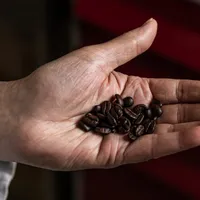
一项新的研究表明,咖啡中的化合物可能通过激活名为NR4A1的受体来发挥作用,而该受体与衰老、应激反应和疾病密切相关。
NR4A1是一种核受体,有助于调节基因活动,并对身体损伤做出反应。
研究人员发现,咖啡中的多羟基和多酚类化合物能够与NR4A1受体结合,影响其活性,这可能是解释咖啡对健康益处的原因。
值得注意的是,移除NR4A1受体后,咖啡的保护性作用会消失,表明该受体在调控咖啡的影响中起着关键作用。
该研究也表明,咖啡的健康益处可能不仅仅来自咖啡因,而是多种天然化合物共同作用的结果。
查看原文开头(英文 · 仅前 3 段)
A handful of roasted coffee beans highlights the natural compounds researchers are studying to better understand coffee’s potential health benefits. Credit: Nadya Pichkasova/Texas A&M University College of Veterinary Medicine and Biomedical Sciences
For decades, research has linked coffee consumption to longer life and lower risk of chronic disease—but exactly how those benefits occur has remained unclear. Now, new research from the Texas A&M College of Veterinary Medicine and Biomedical Sciences (VMBS) suggests that compounds in coffee may work, in part, by activating a receptor in the body known as NR4A1—a protein increasingly recognized for its role in aging, stress response and disease.
The findings, recently published in Nutrients, provide one of the first direct connections between coffee and this receptor, offering a potential explanation for the beverage's widespread health effects.
※ 出于版权考虑,仅引用前 3 段。完整内容请阅读原文。