人们向AI描述症状时信息往往不完整
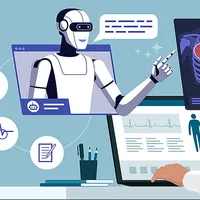
一项新研究表明,当人们向AI描述病情时,提供的信息质量会下降,这可能会影响数字诊断的准确性和患者安全。
随着医疗保健数字化进程的加速,AI聊天机器人和数字症状检查器越来越成为患者进行初步评估(自我分诊)的第一接触点。
研究发现,人们在向AI描述症状时,报告的细节明显减少,平均字数比向医生描述时少约28个字符。
研究团队认为,这主要是因为人们担心AI无法理解个人情况的独特性,导致信息被刻意省略,降低了诊断的准确性。
因此,需要优化用户界面,鼓励患者提供详细信息,才能避免误诊并减轻医疗系统负担。
查看原文开头(英文 · 仅前 3 段)
A new study shows that when people describe their symptoms to an AI rather than to medical professionals, the quality of the information they provide decreases. This jeopardizes the accuracy of digital diagnoses and patient safety.
It is quite possible that in the near future, people will have to describe their symptoms to an AI before they can get a doctor’s appointment. The AI will then decide whether it is an emergency or if treatment can wait, and schedule appointments accordingly.
Fortunately, we are not quite there yet, but digitalization is advancing rapidly in the healthcare sector as well. AI chatbots and digital symptom checkers are playing an increasingly important role and are more and more serving as the first point of contact for so-called “self-triage”—that is, the initial assessment of the urgency of treatment by the patients themselves.
※ 出于版权考虑,仅引用前 3 段。完整内容请阅读原文。