エチオピア市政府が29GBの国民データを公表してしまう
編集部が Musk 本線との関連を確認したうえで公開しています。方針は編集方針。
 情報流出の危険性高まる
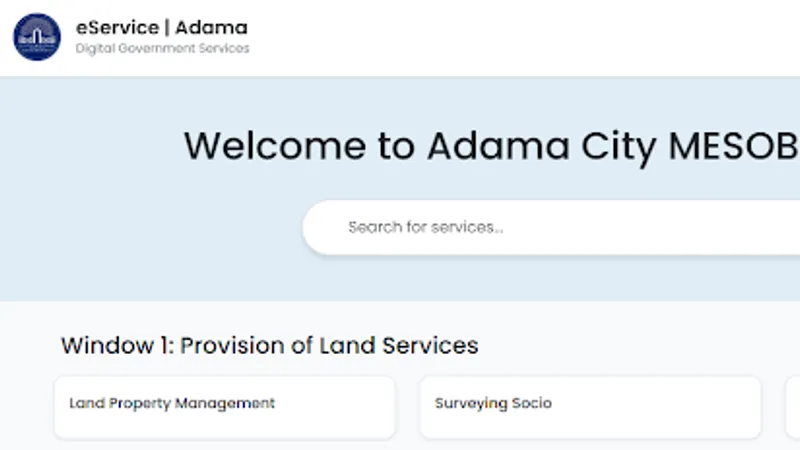
エチオピアのAdama City Governmentのデジタルプラットフォームで、約29GBの個人データが公開された。
生徒証明書や国民IDなど重要な文書が含まれていた。
情報流出は4月20日以降に発見され、同23日に公表されたが、市政府や当局から反応はなかった。
その後、サーバーはブロックされたが、被害を受けた人々には謝罪や補償の声も上がっていない。
エチオピアのアダマ市政府が管理するデジタルプラットフォームのサーバーに、エチオピア市民の高度に敏感な個人データが29GBも漏洩していたことが判明しました。この情報漏洩は、セキュリティの重大な誤配置を引き起こしたとされ、市当局や国家サイバーセキュリティ機関も適切な対応を取らなかったとのことです。
アダマ市プラットフォームとは
アダマ市プラットフォームは、エチオピアのアダマ市で提供される政府サービスの統合的なデジタルポータルです。行政手続きの自動化と透明性、アクセス性、効率性の向上を目的としています。主なサービスには、市民向けのワンストップ手続き、投資管理、電子商取引、内部財務システム、土地管理などが含まれます。
漏洩されたデータの内容
2026年4月20日にセキュリティ調査中に、アダマ市プラットフォームの保護されていないサーバーが発見されました。このサーバーには、エチオピア市民の個人データが約29GB含まれており、主にZIPアーカイブとPDF/PNGドキュメントで構成されていました。漏洩された情報には、出生証明書や結婚証明書、土地記録、国民ID書類、市民のプロフィール写真、社会福祉記録などが含まれていました。
セキュリティ対策と今後の課題
漏洩データの公開は、市民の身分盗難や偽造文書、フィッシング攻撃、不正利用など、深刻なリスクを引き起こしました。情報漏洩を報告した研究者によると、アダマ市当局や国家サイバーセキュリティ機関が適切に対応しなかったため、最終的にはインターネットサービスプロバイダーに連絡してサーバーを遮断する必要がありました。今後は、個人データを公開サーバーに保存しない、暗号化技術の導入、定期的なセキュリティ検証などの対策が求められます。
まとめ
今回の情報漏洩は、政府機関がセキュリティ対策を十分に講じていない現状を浮き彫りにしました。今後は、個人データの保護と情報漏洩の防止に向けたより厳しい対策が必要です。
原文の冒頭を表示(英語・3段落のみ)
RESUMEThis report discloses a significant security misconfiguration involving a publicly exposed server belonging to the Adama City Government digital platform in Ethiopia. The server contained approximately 29 GB of highly sensitive personal data belonging to Ethiopian citizens. Following responsible disclosure efforts, the server was eventually taken offline. However, no response or acknowledgment was received from any Ethiopian authority involved.About the Adama PlatformThe Adama City platform is the official integrated digital portal for government services in Adama, Ethiopia. It was developed to automate administrative procedures and enhance transparency, accessibility, and efficiency in local governance.Main services offered include:Adama City OSS: One-stop shop for common citizen procedures.Investment System: Management of projects and licenses for local and foreign investors.e-trade & E-commerce: Tools for digitizing commerce and transactions in the region.CashBook System: Internal financial and accounting system.Land Management: Land management and administration of the urban cadastre.Discovery of the Exposed ServerOn April 20, 2026, during a routine security investigation, an unprotected server belonging to the Adama City platform was discovered. The server contained approximately 29 GB of sensitive data, primarily consisting of ZIP archives and PDF/PNG documents.Nature of the Exposed DataThe server had been publicly accessible since at least March 23, 2026. The exposed information included highly sensitive personal and civil records of Ethiopian citizens, such as:Birth certificatesMarriage certificatesLand recordsNational identification documentsCitizens’ profile photographsSocial assistance recordsAll documents were in PDF and PNG formats, with multiple backup copies in ZIP format.Examples of exposed documents (translated from Afaan Oromoo):Adama's citizens' profile photos of exposed faces on his platform.Other documents displayed included citizens' identifications.These documents are birth certificates, which include serial number, photo, father's name, grandfather's name, date of birth, birth certificate number, places of registration and birth, nationality, official seals of the civil registry agency, and signature. The second image shows a social assistance file from Adama for Ethiopian citizens, which includes full name, age, sex, and telephone number. And the third image shows a marriage certificate, which displays information such as the wife's full name, the husband's full name, date of birth, place of birth, address, nationality, the names of each person's father and mother, and witnesses.RisksThe public exposure of this data posed severe risks to the affected citizens, including:Identity theft and impersonationDocument forgerySocial engineering and phishing attacksBlackmail or extortionUnauthorized sale of data on the dark webCompromise of personal privacy on a massive scaleResponsible Disclosure TimelineFor our part, we had to protect the data as soon as possible in order to resolve the problem of the exposed server. We contacted the company via email from the following date:On April 20, 2026, I sent a formal notification via email to the official information address of the Adama City Government, detailing the exposure of their server and the presence of approximately 29 GB of sensitive data belonging to Ethiopian citizens. A copy of the same notification was also sent to the Information Network Security Administration (INSA), Ethiopia’s national cybersecurity authority.Despite the critical nature of the issue, neither the Adama City Government nor INSA provided any response or took action to restrict public access to the server.Given the complete lack of response from both the municipal authority and the national cybersecurity agency, I escalated the matter on May 20, 2026, by contacting Ethio Telecom, the internet service provider, informing them of the situation affecting their client and requesting urgent intervention to block the exposed server.On June 15, 2026, I verified that the server had finally been blocked. However, no acknowledgment or response was received from any of the parties involved.Technical RecommendationsImmediate Actions:Disable public access and directory listing on all servers.Implement strong authentication mechanisms (multi-factor authentication, IP whitelisting, or VPN access).Remove or migrate all sensitive data to secure, encrypted environments.Replace public file access with signed URLs or temporary access tokens.Best Practices for Sensitive Data:Never store personal or civil records on publicly accessible servers.Implement encryption at rest and in transit (AES-256 minimum).Apply the principle of least privilege.Conduct regular security audits and configuration reviews.General Security Improvements:Enable comprehensive logging and real-time monitoring.Develop and test a formal Incident Response Plan.Perform periodic vulnerability assessments and penetration testing.Establish proper secrets management and secure configuration baselines.Final NoteThis report will be updated if additional information or responses are received from the responsible authorities.Ethical Disclosure This research was conducted solely for the purpose of improving security. No unnecessary data was downloaded or retained, and all findings were responsibly disclosed in accordance with standard responsible disclosure practices.Report published: June 18, 2026
Security Researcher: chum1ng0
※ 著作権に配慮し、引用は冒頭3段落までです。続きは元記事をご覧ください。