配達ロボットは問題を解決するより多く引き起こしている
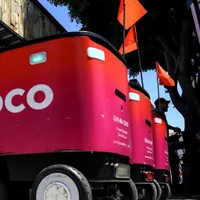
ロサンゼルス・タイムズの記事では、幼少期に見た未来的なテクノロジーの夢と、現実の配達ロボットによる問題とのギャップが描かれています。
配達ロボットは、歩行者の邪魔や交通の妨げになるだけでなく、既存の仕事や雇用を脅かす可能性も指摘されています。
一部都市では既に禁止措置が取られており、規制の必要性が浮き彫りになっています。
これらのロボットは、AIによる自動化が進む社会において、新たな問題や不安を象徴しているのかもしれません。
自動配送ロボットの普及が、期待された利便性よりも多くの社会的な問題を引き起こしているという指摘が、ロサンゼルス・タイムズの記事から浮き彫りになっています。SF映画のような理想的な未来とは異なり、現実のテクノロジーは新たな課題を突きつけているようです。本記事では、このロボットがもたらす「光と影」について解説します。
歩行者空間を占めるロボットの課題
自動配送ロボットは、配達ドライバーの代替として環境負荷の低い選択肢として注目されています。しかし、現実の都市環境では、ロボットが歩道上で立ち往生したり、他の歩行者と衝突したりといった問題が頻発しているとのことです。
記事では、複数のロボットが狭い歩道で停止し、周囲の通行人が危険な形で迂回せざるを得なかった事例が紹介されています。ロボットはLiDAR(ライダー)などの技術で自律走行を行いますが、予測不能な都市の障害物や他の歩行者との相互作用が、スムーズな移動を妨げている状況です。これは、技術的な課題だけでなく、都市設計や交通ルールといった社会的な調整が必要であることを示唆しています。
規制の難しさと社会的な受容性
ロボットの普及に対する世論は二分されています。環境に優しい代替手段として歓迎する声がある一方で、歩道上の迷惑な存在や人間の仕事を奪う存在として批判する声も存在します。
シカゴやサンフランシスコなど、一部の都市ではすでにロボットの運行禁止措置が取られています。また、グルエンドール市などでは、規制の枠組みを定めるための「一時的な停止(モラトリアム)」が導入されています。しかし、記事は、e-bike(電動自転車)のような他の新技術と同様に、利便性という需要が危険性や社会的な摩擦を無視して拡大してしまう傾向があることを指摘しています。
テクノロジーがもたらす現実の複雑性
筆者は、子供の頃に想像したような完璧なハイテク社会が実現していない現実を述べています。AIや自動運転技術は進歩しているものの、それはSFのような理想論とはかけ離れた、複雑な問題群を伴っているとのことです。
技術革新は、単に労働を代替するだけでなく、問題の形を変える側面があります。例えば、洗濯機が洗濯作業を自動化しても、その後の衣類の品質管理という新たな「人間の仕事」が発生するようなものです。自動配送ロボットも、単なる便利さだけでなく、社会構造や労働市場にどのような影響を与えるのか、より深く考察する必要があるようです。
結論: 理想と現実のギャップ
自動配送ロボットは、未来の生活を豊かにする可能性を秘めていますが、その実現には技術的な改良だけでなく、都市のインフラや社会的な合意形成が不可欠です。技術の進歩がもたらす新たな問題に対して、社会全体でどのようなルールを設けていくかが今後の大きな焦点となりそうです。
原文の冒頭を表示(英語・3段落のみ)
When I was a child, I watched “The Jetsons” and “Lost in Space” and imagined my adult self living in a world of high-tech ease: flying cars, self-cleaning rooms, high-speed trains, personal jetpacks and wise-cracking robotic companions capable of solving any problem in a trice.Instead, I got Google (now with an irritating and frequently wrong AI feature), increased gridlock, Roombas, far too many passcodes/two-factor authenticator systems and a bunch of motorized ice chests cluttering up the sidewalks.The last of which were recently banned, mercifully if temporarily, in Glendale. Reading about the city’s upcoming moratorium on delivery robots, I literally cheered. I hate them so much.I know, I know, they’re adorable, with their wide “eyes” and squat toddler-like determination as they trundle along, pausing in careful recalculation whenever they encounter a curb, street sign, a sidewalk cafe table. Hating them makes me feel a bit like those folks who ban children from weddings or make snarky comments about dogs showing up just about everywhere (two things I would never do). A Serve Robotics delivery robot heads to work Feb. 13. They navigate autonomously using LiDAR and only require human intervention if they get stuck, damaged or are heavily vandalized. (Myung J. Chun / Los Angeles Times) But though I am happy to accommodate dog walkers, stroller-pushers and other slow-moving/space-requiring pedestrians, I am less happy to do so for a tricked-out little metal box as it picks its way over potholes and sidewalk cracks on a “heroic” mission to deliver takeout to someone who, presumably, lives less than a mile away from its source.And it isn’t just cranky-pants impatience. I recently became part of a face-off between two opposite-running Coco bots on the small strip of sidewalk in front of Cafe Figaro. The minutes-long standstill forced several people into the street; many more, including my husband and his cane, engaged in a potentially perilous stutter-step around the two knee-high, randomly moving yet noncommunicative vehicles. One of which was, for reasons of its own, sporting an American flag — maybe it wants to be a Mars rover when it grows up.Delivery bots, including those made by Coco, a company begun in 2020 by two UCLA graduates, have been around for a while. Early rollouts, however, were small and often plagued by trouble. Stranded or struggling robots became the new Bird scooters — nifty ideas that proved more problematic in practice.In the last two years, however, improved models have become an increasing presence; Coco, which has expanded across the country, recently announced a bigger, bolder next-gen model. The Coco 1, left, alongside the new Coco 2 (Next-Gen) at the Coco Robotics headquarters in February in Venice. Coco Robotics launched its next-generation, fully autonomous delivery robot, Coco 2. (Kayla Bartkowski / Los Angeles Times) Many people love Coco and other delivery robots, which partially replace traffic-clogging, exhaust-spewing delivery drivers with a more environmentally friendly alternative.Others do not, viewing the bots as sidewalk lice that create hazards and take jobs from humans. Several cities, including Chicago, Toronto and San Francisco, have already instituted bans; Glendale is, as Long Beach recently did, taking a less draconian approach, putting the robots on pause while city officials figure out a regulatory framework.Good luck with that. The e-bike craze, which is putting many people, including kids, in the hospital at an alarming rate, has thus far defied similar regulatory frameworks. As with delivery robots, the possible benefits of e-bikes — environmentally friendly, traffic-decreasing, super fun to ride — created a demand that ignores the dangers created by popularity.Unlike e-bikes, or the electric scooters that preceded them, delivery robots aren’t yet causing widespread physical harm. Even my own feelings for those motorized metal coolers are fueled by existential disappointment as much as personal irritation.In many ways, the high-tech future I envisioned as a child has come to pass — we have computers in our pockets, driverless cars, thumbprint and face ID, and voice-activated remote controls for everything. We may not be able to teleport, either physically or via hologram, but we can Zoom or video chat with pretty much anyone anywhere. ChatGPT is not exactly J.A.R.V.I.S., but it’s something. High-speed trains, and pretty much any mass transportation improvement, continue to elude the United States, but one can experience them elsewhere. Matt Wood, Serve Robotics supervisor, drives a robot to a holding area earlier this year in the company’s parking lot where it and 26 others were to be transported by delivery truck to a farther service location. (Myung J. Chun / Los Angeles Times) The problem is, of course, that reality is much more complicated than futuristic visions sold by “The Jetsons,” “Minority Report” or the cultural marketers of Silicon Valley. Like e-bikes, every advancement creates a host of new problems — hackers, identity theft, system failures, increased energy demands. Labor-saving devices are rarely that — instead labor is shifted, from one department to another, from the body to the brain, or standards are raised — when laundry is done by a machine, its operator must ensure that all clothing is bright, soft, sweet smelling and stain-free just as those who have been given a company smartphone must be available 24/7. After all, how hard is it to answer a text?Delivery robots are both disappointing in their reality and alarming in their symbolic implication. With all manner of industries constricting and AI threatening entry-level positions, many people have become delivery drivers, full-time or as an economically necessary side gig. Are robots coming for them as well? And are we all going to step around them and post photos on Instagram as they do?It’s a lot to put on a relatively new and small industry that remains, thus far, a cute and novel way to receive a salad or a few groceries. Those who fear imminent robotic world domination can actually take heart — like the AI actor Tilly Norwood, these little geezers have limited abilities. They don’t go very far, or move very fast; they are easily damaged and disabled (especially in Philadelphia). If they are the vanguard of a sentient nonhuman enemy, we don’t have much to fear yet.Still, as these robots grow in number and size, those big innocent “eyes” and the cutesy design take on an unnerving air. As Albert Brooks said in “Broadcast News”: “What do you think the devil is going to look like if he’s around … he will be attractive, he’ll be nice and helpful.”And deliver your lunch. More to Read
※ 著作権に配慮し、引用は冒頭3段落までです。続きは元記事をご覧ください。