自動運転車に対する違反チケット発行が可能に、カリフォルニア州が自動運転トラックの試験走行を承認
編集部が Musk 本線との関連を確認したうえで公開しています。方針は編集方針。
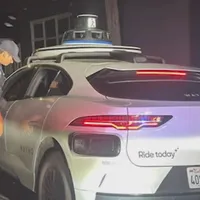
カリフォルニア州自動車局(DMV)は、自動運転車の規制を大幅に変更し、緊急時における車両の安全確保と法執行機関による違反チケット発行を可能にしました。
警察は、人間の運転者がいない場合でも自動運転車に対して違反チケットを発行できるようになり、地方自治体は緊急時に特定の地域への自動運転車のアクセスを制限できます。
また、自動運転トラックの試験走行も承認され、今後、より広範な試験が実施される予定です。
DMVは、これらの変更によって公共の安全へのコミットメントを示すと述べています。
カリフォルニア州が、自動運転車(AV)に関する規制を大幅に刷新しました。この新ルールにより、警察がドライバーのいない自動運転車に対しても違反切符を切れるようになり、公道での安全確保が強化されます。さらに、自動運転トラックの試験運用も拡大されることになりました。
自動運転車への罰則適用
今回の改正で最も注目されるのは、自動運転車が交通違反を犯した場合、ドライバーが搭乗していなくても警察が企業に対して罰則を科せるようになった点です。以前は、ドライバーがいないAVが違法なUターンを行った際、警察官が罰則を科すことができなかった事例もありました。この新ルールは、人間が運転する車両と同様に、AVの運行主体である企業にも責任を負わせるという考えに基づいています。
緊急時対応と地域制限
新規制では、AV企業に対し、緊急通報(ファーストレスポンダーからの呼び出し)に30秒以内に対応することを義務付けています。また、地方自治体は緊急事態発生時、ジオフェンシングといった技術を用いて、特定のエリアへのAVのアクセスを制限できるようになります。これは、公衆の安全を最優先し、緊急車両の動線を確保するための措置と見られています。
自動運転トラックの試験拡大
AVの適用範囲は乗用車にとどまらず、大型の自動運転貨物車両(セミトラックなど)の試験運用も承認されました。これにより、これまで主にテキサス州などで試験が行われていた自動運転トラックのテストがカリフォルニア州でも可能になります。業界関係者によると、自動運転トラックは義務的な休憩を取らず、ほぼ24時間稼働できるため、物流効率の向上に大きく貢献すると期待されています。
まとめ
今回のカリフォルニア州の規制強化は、自動運転技術の社会実装を加速させる一方で、安全性と責任の所在を明確にする重要な一歩です。罰則の適用や緊急時の対応義務化は、AVが社会に受け入れられるための基盤を築くものと評価されています。
原文の冒頭を表示(英語・3段落のみ)
SAN FRANCISCO -- The California Department of Motor Vehicles has announced sweeping changes to its rules governing autonomous vehicles, including new limits intended to keep driverless cars out of the way during emergencies and new authority for law enforcement to issue citations.Under the updated regulations, police will be able to cite autonomous vehicle companies for moving violations, even when no human driver is present in the vehicle.The changes also allow local officials to restrict autonomous vehicle access to certain areas during emergencies and open the door to expanded testing of autonomous freight vehicles.WATCH: 'A Driverless Tomorrow': From farming to mining, self-driving trucks are how humans do basic tasksRobotaxis may be getting all the attention but robotrucks are already carrying a heavy load of the work at mining and farming sites.The DMV said the updated regulations are intended to demonstrate the state's commitment to public safety.Waymo, which operates driverless vehicles in San Francisco, said it is reviewing the final rules. The company said it appreciates the opportunity to participate in informing the new regulations.The changes address questions that had previously gone unanswered, including what happens when a driverless vehicle is pulled over by police.A DRIVERLESS TOMORROW: Explore the triumphs, setbacks and innovations shaping the driverless futureIn September 2025, the San Bruno Police Department posted photos after officers were unable to issue a ticket when an autonomous vehicle made an illegal U-turn in front of them because there was no human driver. That will no longer be the case under the new rules."I think it's a great standard that's set in place," said Sgt. Scott Smithmatungol of the San Bruno Police Department. "I truly wish that it was kind of set-in place when all this testing kind of started. I mean, if human drivers are to be held accountable or held to a standard, I think autonomous vehicles and the autonomous vehicle companies should as well."Phil Koopman, an expert in self-driving car safety and an emeritus professor at Carnegie Mellon University in Pittsburgh, said the real impact will depend on how the information from citations is used."The reality is that even a several-hundred-dollar ticket fine doesn't mean much to a big company," Koopman said. "And so, you can argue that just keeping score is enough to motivate the company to do the right thing. There's some validity to that argument. So, whether it's a fine or it's just some bookkeeping isn't really the point. The point is what happens."RELATED: Self-driving trucks transport goods on Texas freeways in expansion push, could lead to job lossesIn addition to allowing moving violation citations, the DMV's updated regulations require autonomous vehicle companies to respond to calls from first responders within 30 seconds. Local officials will also be able to use geofencing to limit access to certain areas during emergencies.The DMV also approved testing of heavy-duty autonomous vehicles, such as semi-trucks, on California roads.Silicon Valley-based Aurora, which has been testing self-driving trucks in Texas since last year, welcomed the move. A company spokesperson said, "We are encouraged to see a regulatory path being established for autonomous freight in California."Autonomous trucks do not require mandatory rest breaks, allowing them to operate nearly 24 hours a day, according to industry representatives.Waymo reiterated that it is reviewing the final rules and appreciates the opportunity to help inform the state's approach to regulating autonomous vehicles.Copyright © 2026 KGO-TV. All Rights Reserved.
※ 著作権に配慮し、引用は冒頭3段落までです。続きは元記事をご覧ください。