英、16歳未満のSNS利用を禁止へ
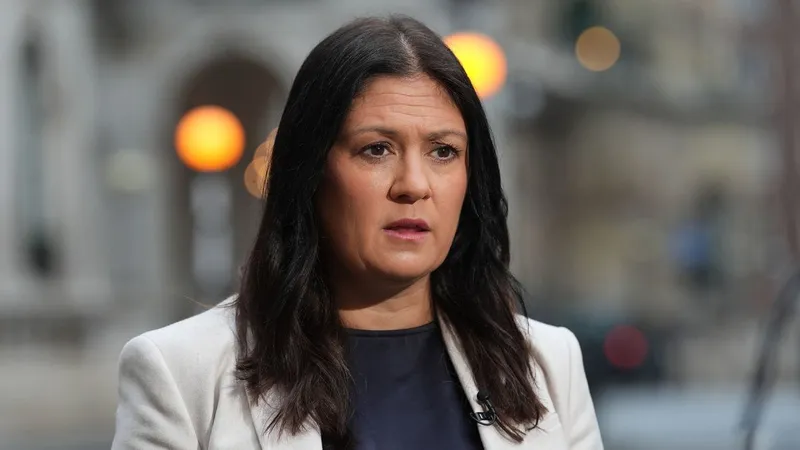 子ども向けネット環境整備
英政府は、16歳未満の子どものSNS利用を禁止する方針を明日発表する。
既に一部で実施しているオーストラリアの取り組みを参考に、チャットボットや18歳以下の夜間使用制限などを導入する計画だ。
英国政府は2026年6月14日、16歳未満の児童がSNSにアクセスできないようにする方針を発表する予定です。首相はオーストラリアの例に倣って、チャットボットの制限や深夜の使用制限を含む新たな対策を打ち出すと伝えられています。
16歳未満のSNS利用制限
英国はオーストラリアの例に倣って、TikTokやインスタグラム、フェイスブック、X(旧ツイッター)、ユーチューブ、スナップチャット、RedditなどのSNSで16歳未満の利用を禁止する方針を検討しています。また、18歳未満の利用を制限し、恋愛や性的なAIチャットボットの利用も制限する予定です。
政府の対応と課題
文化相のリサ・ナンディ氏は、SNS禁止は「銀色の弾丸」ではないが、他の対策と併せて必要だとしています。オーストラリアでは16歳未満の利用禁止が導入されたが、一部の児童がVPNや偽の生年月日で回避しているとの指摘があり、より厳しい年齢確認の仕組みが必要とされています。
社会的議論と反対意見
調査では、17%の成人が政府がSNSの適切性を判断できると信じており、多くは親や教育機関、規制機関に信頼を寄せています。一方で、一部の団体はSNS禁止が十分な対策ではないと指摘し、技術企業のビジネスモデルや製品設計の見直しを求めています。
原文の冒頭を表示(英語・3段落のみ)
Children are set to be barred from accessing many major platforms14:44, 14 Jun 2026A social media ban for under-16s is set to be announced tomorrow. Sir Keir Starmer is expected to set out plans to bar children from certain platforms on Monday.The Prime Minister will go further than Australia by including chatbots and imposing a curfew for older teenagers in a bid to end late-night scrolling, it has been reported.The UK will follow Australia’s example in raising the minimum age to 16 for sites including TikTok, Instagram, Threads, Facebook, X, YouTube, Snapchat and Reddit, according to The Sunday Times.Click here for the latest on Greater Manchester's politics in our newsletterThe newspaper reported that restrictions will also be placed on romantic or sexual AI chatbots, while daily social media use will be limited for under-18s.Appearing on TV this morning, the Culture Secretary and Wigan MP Lisa Nandy said a ban on its own was not a 'silver bullet solution', but should be part of a 'basket of measures' to protect children onlineShe declined to pre-empt Sir Keir’s announcement, but said the government’s consultation was launched with 'a question of how we better protect young people online, not if we do so.'“The responses to the consultation were overwhelmingly clear", she told the BBC’s Sunday With Laura Kuenssberg programme: “Not everybody wanted to see a social media ban for under-16s, but the vast majority of people who responded did.“That came through not just from parents and from campaigners, it did also come through from many young people themselves who are feeling that they’re being pulled into something quite toxic at a very young age.”The government’s consultation received about 116,000 responses, making it the second-largest government consultation in history after a consultation on equal marriage in 2012.The minister said Australia’s experience showed that while a ban would not prevent all young people from accessing social media platforms, it could help shift the culture by changing the expectation that children as young as eight, nine, 10 and 11, who were 'not really emotionally equipped to be able to cope with it', should be online simply because all of their friends were.“I don’t think banning social media on its own is the silver bullet solution, but I do think Australia has shown very clearly that it has a significant role to play,” Ms Nandy said, adding that it should be part of a 'basket of measures.'She signalled there could be more stringent age checks than in Australia, where there have been concerns that some under-16s have bypassed the ban imposed in December by using virtual private networks (VPNs) or creating accounts with fake dates of birth.Polling published in April found three in five Australian children aged between 12 and 15 still have access to one or more online account which should have been restricted as a result of the law.Ms Nandy told Ms Kuenssberg: “The experience in Australia showed part of the reason why it has been difficult for them to enforce it is because there weren’t very tough age verification measures. That’s one of the things that we’re looking at and the Prime Minister will say more about tomorrow.”'Today’s children are growing up under constant scrutiny'Meanwhile, a survey found that one in seven adults trust Government ministers to decide which social media platforms are appropriate for children, with more expressing confidence in parents, regulators and schools.An Institute for Public Policy Research (IPPR) survey of more than 2,000 adults, carried out over Wednesday and Thursday, found 51% trust parents to decide which platforms are appropriate, 49% trust an independent regulator, 22% trust schools, 16% trust technology companies and 15% trust Government ministers.The polling, conducted by YouGov, also found 44% support banning under-16s from social media while 39% prefer tighter regulation.Just over one in 10 participants said social media should not be banned or more strictly regulated.Exposure to age-inappropriate content such as nudity, exposure to strangers and algorithms learning user behaviour and recommending content, were among the harmful features highlighted.The IPPR is calling for a blanket ban on social media for under-16s, but not just to protect children from harmful content. Avnee Morjaria, associate director at the IPPR and a former teacher, said: “More and more of children’s lives are now lived through screens. Previous generations had the freedom to make mistakes, experiment and move on.“Today’s children are growing up under constant scrutiny, where every insecurity can be amplified and every mistake permanently recorded.“A blanket social media ban for under-16s is the only effective option. Not because technology is inherently bad, but because we are allowing childhood itself to be shaped for the worse by algorithms.“Childhood should be defined by real-world experiences, friendships and opportunities to grow, not by an endless competition for attention and approval. The greatest loss of the smartphone age is not privacy; it’s childhood itself.”The National Education Union (NEU) has also called on the Prime Minister to enact a ban. Daniel Kebede, general secretary of the NEU, said: “The public backs action, parents have spoken, and the evidence is overwhelming. Anything less than a full ban would mean caving in to Big Tech.”Article continues belowBut some groups have said that a ban may not be the appropriate instrument to tackle a wide spread of social media harms.The Molly Rose Foundation, set up in memory of 14-year-old Molly Russell, who took her own life in 2017 after viewing harmful content online, has said an Australia-style ban might offer only 'the perception of security.'The Children’s Coalition for Online Safety, led by the 5Rights Foundation and including groups such as the NSPCC and Girlguiding, has also demanded a broader overhaul of technology companies’ business models and product design choices that risk keeping young users hooked.
※ 著作権に配慮し、引用は冒頭3段落までです。続きは元記事をご覧ください。
Hacker News コメント
機械翻訳。HN の元スレッド ↗
この議論が子供のためになるかどうかは関係ない。この話題は子供についてではない。監視の問題だ。
原文
Arguing about whether this is good or effective for kids or not is irrelevant. This isn't about kids at all. It's about surveillance.
多くの人々がこの動きを嫌うが、実際には良いアイデアだと思う。はい、20年前のように「無料」のインターネットを削除するが、それは既に失われたものだ。はい、警察国家に道を開くことになるが、どんな法案にも反対するのは単なる無政府主義に思える。私は、両児童と成人双方が企業のアルゴリズムによって操作されているのを見る。正直に言えば、ソーシャルメディアやポルノを薬物と見なすことさえ適切かもしれない。
原文
I know many people dislike this movement but really, I think it's a good idea. Yes, it removes the "free" internet as it was 20 years ago, but that's gone already anyway. Yes, it opens up the way to a police state without anonymous internet access, but arguing against any law to be against that just seems like straight up anarchism to me.I see both children and adults being manipulated by corporations with "algorithms". Honestly, treating social media, porn, and other things as drugs would probably even be the right step.
国々が突然同じことを提案し始めた。子どもたちのことを真剣に考えるなら少なくとも一つの国は異なるアプローチを試すだろう、例えばアルゴリズムフィードの禁止など。全く不自然だ。
原文
Somehow all the countries are suddenly proposing the same thing. You'd think at least one of these countries might try something different if they actually cared about the kids, like banning algorithmic feeds. Not suspicious at all.
私はこの可能性について先日高校生の親戚と話して、彼女は禁止に賛成すると言った。みんなが同じ状況なら大した問題ではないようだ。保護者は子供のために線引きすることが社会的排除を招くため困難を極める。多くの点で理想的ではないが、新メディアの混乱の中で育つ若者にこの措置がもたらすプラスの影響を考える価値がある。
原文
I happened to talk to a teenage relative about this possibility the other day and she said that she'd be fine with a ban. It seems that it's not as big a deal if everyone's in the same boat. Parents genuinely have a hard time navigating this because drawing a line for their own children has the effect of socially excluding them.It's not ideal in many senses (what age checks are we talking about here) but its worth thinking about some of the positive effects this might have on the young people growing up in the mess we've made of new media.
面白いことにカナダも同じことを試みている。明らかに似通っている。この件が監視についてのものであることも興味深い。我々は問うべきだ:この禁止を実施する際に監視を行わないで済むか?-識別スキャンは一つの解決策だが、他にも解決策があるはずだ。なぜ法整備をして、SNS上で子供が捕捉された場合に問題を引き起こすようにできないのか?子供が学校を欠席した場合、既に問題になることがある。他の動機付け方法は識別チェック以外にあるだろう。
原文
Interesting that Canada is trying to do the same thing. Seems suspiciously similar.The idea that this is about surveillance is also interesting.I think it's important we ask: could we invoke this ban without surveillance?- identity scan is one solutionBut surely there are other solutions? Can't you just make laws that get kids in trouble if they get caught on social media? Kids get in trouble for missing school.. there are other incentives than identify checks, surely?
当人たちがやりたいことを禁止すると、違法な方法でやろうとする。人間は社会性を求めるし、子どもたちはインターネットを使ってそれを満たすから。親の助けを借りて、きっとより危険な方法を見つけるだろう。規制されていない方法で、直接搾取さえ防げないような法があっても。親は子どもがソーシャルメディアを使うことを知っていても止めないから。こういう法律は、自転車に乗り外で本を読む昔の日々には戻らない。子どもたちにとってはその生活スタイルじゃない。でも、危険な状況に追い込まれるかもしれない。子どもたちはオンラインで社会的ニーズを満たす方法を見つけるから。
原文
When you try to ban people from doing something they find ways to do it illegally. Humans have a need to socialize and kids are not going to stop using the internet for that just because of some law.Aided by their parents, I'm sure, they will find seedier ways to do this. Ways that are not regulated at all, even by sensible laws that prevent direct exploitation. The parents obviously don't care that their kids use social media, otherwise they would take steps to stop it.These laws are not going to bring back the days where we all were riding our bikes outside and reading physical books. That's not the way of life for these kids. But it's, very likely, going to put children in a more dangerous situation as they try to find some kind of solution to their social needs online.
子どもたちに教える。社会メディアが彼らの注意、記憶、批判的思考力、社会スキルに与えた影響は計り知れない。数十年後にはその影響が現れるだろう。この中には、国家が敵視する国を支援し、簡単に操作できる子どもたちにプロパガンダを流すことも含まれる。彼らが批判的思考力や感情の自覚を身に付ける前に、感情を利用されないようにする機会はなかった。政府にこの政策が大きな政治的反動を招くことを期待するが、長い目で見ればそれ以上の価値がある。唯一の代替案は学校での携帯電話全面禁止だが、子どもたちは家に帰ったらすぐに社会メディアにアクセスするだろう。
原文
I teach children. You have no idea how much social media has affected their attention, memory, critical reasoning and social skills: the social repercussions will be felt for decades.And this isn't mentioning exposing easily malleable minds to propaganda paid for by states that see the UK as an enemy, all before their critical reasoning skills, and awareness of their emotions, and how their emotions can be used against them, have had the chance to develop.I expect this to massively electorally backfire on the government. But in the long run, it will be more than worth it. The only alternative would be to blanket ban phones in schools, although they'll still be plugged into social media the minute they leave.
何を思うか?メッシュネットワークが流行るのか、親が子どもを強制的に登録することになるのか、UKはそれを禁止するのか。でも、親の監視方法はどうなるんだろう。個人的にはこれがコミュニケーションイノベーションに対する新たな規制の試みに思える。
原文
What do you think this will lead to? Will mesh networks explode in popularity or maybe the adults will just log their kids in - and UK will then make that illegal... But how to surveil the parents then.Personally I fear this will just become whackamole against communication innovation. it feels to me like an addition in a broader attempt to control communications in general.
私はまだ社会メディアを間違った角度から解決していると思う。私たちは、依存性の問題を修正し、情報収集に使用できるようにすべきだ。例えば、趣味のフォーラムなど。
以前は、大手プラットフォームが登場する前、技術やプログラミングに関する多くの有益な情報源があった。私はそのフォーラムがなかったら存在していないかもしれない。
現在は、ただネガティブな反応とドーパミンによる刺激で溢れている。社会メディアの禁止措置は実質「チャットやメッセージを含むものは全て年齢確認」である。社会メディアが学習に影響を与えているなら、学校での携帯電話使用を禁止する方が効果的で、プライバシー上のリスクもない。
原文
I still think we're solving social media from wrong angle. We should fix the addiction nature, so we can still use social media for informative purposes. (like hobby forums) Before the big platforms took over, there was lots rich information sources about tech and programming I wouldnt be there if those forums did not exist. Right now its just bunch negativity dopamine hits.It's still weird how those social media bans are essentially "anything with chat/messages requires age check".If social media is affecting learning, then ban using phones at schools, it's been very effective all around world with no privacy risks.
最終的に、非常にデジタルにつながっており一日中ソーシャルメディアを使用する子供の成績が悪くてもそれで十分な証拠と言えるのではないか。私たちは、学校で特定の技術を禁止すべきであるという主張を聞きたいが、明らかに誰にでもわかることだが、州政府から個々の教室まで腐敗した構造があり、生徒は落第点を受けるべきではない。思考実験を行う:両方の主張に対する意見を提供する。実験のルールは、一方の意見を述べるには他方の意見に回答しなければならないということだ。学校でソーシャルメディアを禁止すべきである、学校で落第点を廃止すべきである。
原文
Ultimately, if a kid is super digitally connected and using social media all day, can't his/her final grades be enough evidence?I'd like to hear some arguments how we must ban certain technology in school; meanwhile it's plain to see to anybody with a brain cell that there is an entire corrupt stack from state government down to the individual classroom that *students must not be given failing grades*.Here's a thought experiment: provide an opinion to both of these assertions. The rule of the experiment is you cannot give an opinion to one without answering the other.- We should ban social media in school- We should ban failing grades in school