智能体工作模式:一种心理模型
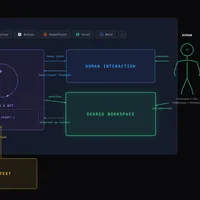
2026年第一季度出现了一个结构性变革,标志着工作方式的转变。
文章作者发现自己开始在个人任务、软件工程和公司运营等各个方面使用智能体进行工作。
这主要得益于OpenClaw项目,一个开源的“智能体操作系统”,它提供了五个核心组件:LLM模型(提供推理能力)、智能体主机(处理调度和权限等)、智能体循环(执行核心逻辑)、上下文(提供数据来源)和共享工作区(人类和智能体共享)。
作者通过个人空间(OpenClaw)、代码空间(Cursor)和运营空间(Notion)的案例,阐述了这种架构的普适性和重要性,并指出未来企业应该重视智能体主机的选择和上下文的构建,以实现工作效率的显著提升。
查看原文开头(英文 · 仅前 3 段)
Something shifted in the first quarter of 2026. Not a feature launch, not a new product - a structural change in how work happens.
For the first time, I found myself genuinely operating with agents across every dimension of my work: personal tasks, software engineering, company operations. Not as a novelty. As the default mode.
This post is the abstraction I arrived at after weeks of doing this. A mental model that applies everywhere - because the architecture underneath is always the same.
※ 出于版权考虑,仅引用前 3 段。完整内容请阅读原文。